
No products in the cart.

Eucalyptus smells like you snapped a leaf in half on a cold morning. Camphor first, then a green oily sharpness, then a faint sweetness that never quite turns floral. If it smells like a cough sweet, the blend is lazy.
The actual smell
- Camphor / cineole — that ice-in-the-sinuses hit. This is the point of the plant.
- Green leaf — wet, slightly medicinal, like a greenhouse after rain.
- Soft wood — a dry back-note once the cool has gone. Good formulas let you get there. Cheap ones never leave the lozenge.
Peppermint is sweeter and more confectionery. Rosemary is more savoury. Pine is resin and forest floor. Eucalyptus is the one that feels like opening a window in January.
In a candle
It is a top note. It will vanish from a melt pool if the wax is too hot or the wick is oversized. We run soy-coconut, which burns cooler than paraffin, so eucalyptus hangs around longer — but you still need a full melt pool on the first lighting or you trap the scent in a tunnel of unused wax.
Hot throw: noticeable in a bathroom or porch, polite in a sitting room. Cold throw: surprisingly loud on the unlit jar. People buy it off the sniff test and then wonder why the burn is subtler. That is the note evaporating as designed.
Where it belongs
Showers, sick rooms, anywhere that has gone stale. Not with food. Not with a peat fire — they argue. Next to a slightly open window it makes sense, which is how a lot of Highland houses actually get used.
If you want outdoor-air rather than a named botanical, Nevis and Cairngorms live in that same cold-clean family without pretending to be a steam room.
Quick answers
Is eucalyptus the same as tea tree? No. Tea tree is more medicinal and less bright. Eucalyptus is colder.
Will it trigger a headache? In a tiny unventilated room, any high-cineole scent can. Burn it with a window ajar. Trim the wick. That is usually the whole problem.

About author

Related posts
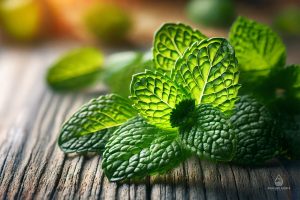
Peppermint is sweet mint and menthol, not toothpaste. Here is how it should smell in a room. Continue reading
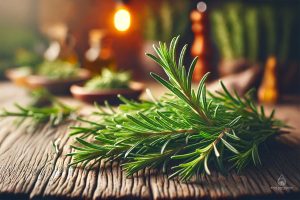
Rosemary is pine-herb and camphor, not Sunday lamb. Here is how it smells in a candle. Continue reading
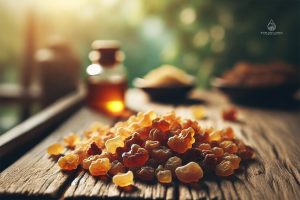
Frankincense is lemon-pine resin, not campfire. Here is what it smells like when you burn it in a jar. Continue reading

Ylang-ylang is banana-floral and pollen, not generic tropical. Here is the honest candle version. Continue reading
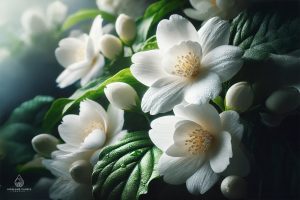
Jasmine is night flower and a bit of animal, not shampoo. Here is how it should smell in a jar. Continue reading