
No products in the cart.
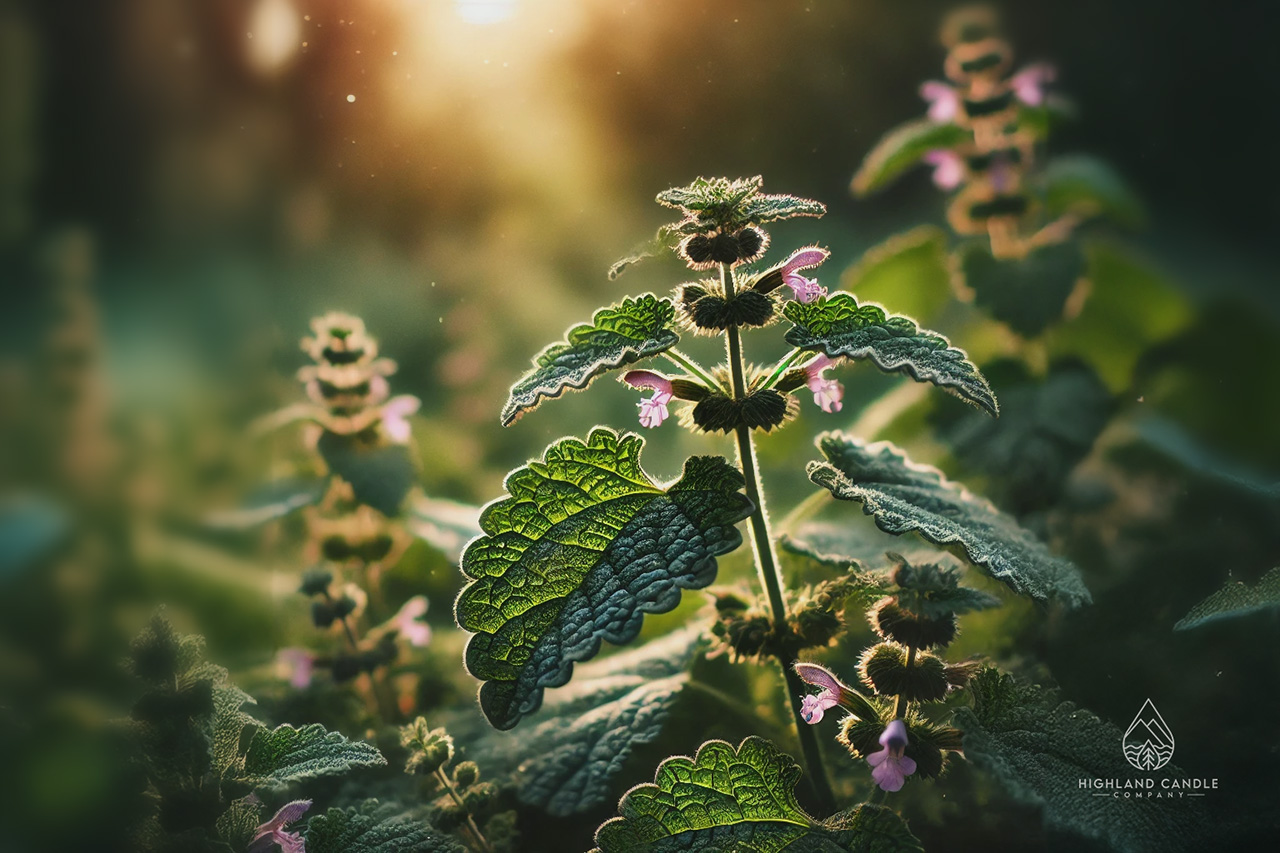
Patchouli smells of damp earth after you have walked off the hill in wet boots. There is a sweet, almost chocolate-wood thing under it, and a musk that hangs in wool. The cliché version — foggy incense stall, 1996 — is usually a cheap isolate poured too heavy. The plant is quieter and darker than that.
The actual smell
- Earth / soil — the main character. Not dirt. More like a greenhouse bench.
- Dry wood and leaf — a tea-like bitterness that stops it going gourmand.
- Sweet musk — this is why it lasts. Patchouli is a base note. It clings to jumpers.
People mix it up with sandalwood (creamier, paler) and with vetiver (grassier, smokier). Patchouli is the one that feels like a cellar that you do not mind sitting in.
In a candle
Because it is a base, it is the last thing you smell when the melt pool is going and the first thing you smell on the cold jar the next morning. That is useful. It anchors brighter notes so they do not disappear after ten minutes.
In soy-coconut it throws as a low, even hum rather than a blast. If a patchouli candle is screaming from across the room, someone dosed it like a reed diffuser. We would rather you notice it when you sit down.
Give it a proper first burn. Base notes live in the wax. If you tunnel the candle you bury them.
In a house
Autumn and winter. Thick curtains. It fights with bleach and with very sweet vanilla. It sits well with wood, leather, peat, wool. A Highland sitting room with a wet dog is, unfortunately, a native habitat.
If you want that dark, indoor-after-the-hill feeling in one of ours, Bothy Nichts is the evening one.
Quick answers
Why do some people hate it? They met the stall version. Or they are very sensitive to musk. There is no arguing with that. Try a sniff on skin or wax, not on a test strip — strips lie with patchouli.
Does it smell like cannabis? Some fractions do, faintly. A good candle blend should not.


About author

Related posts
Peppermint is sweet mint and menthol, not toothpaste. Here is how it should smell in a room. Continue reading
Rosemary is pine-herb and camphor, not Sunday lamb. Here is how it smells in a candle. Continue reading
Frankincense is lemon-pine resin, not campfire. Here is what it smells like when you burn it in a jar. Continue reading

Ylang-ylang is banana-floral and pollen, not generic tropical. Here is the honest candle version. Continue reading
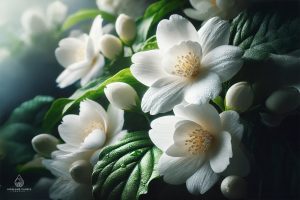
Jasmine is night flower and a bit of animal, not shampoo. Here is how it should smell in a jar. Continue reading