Category: Smells like…

  • What Does Peppermint Smell Like?

    What Does Peppermint Smell Like?

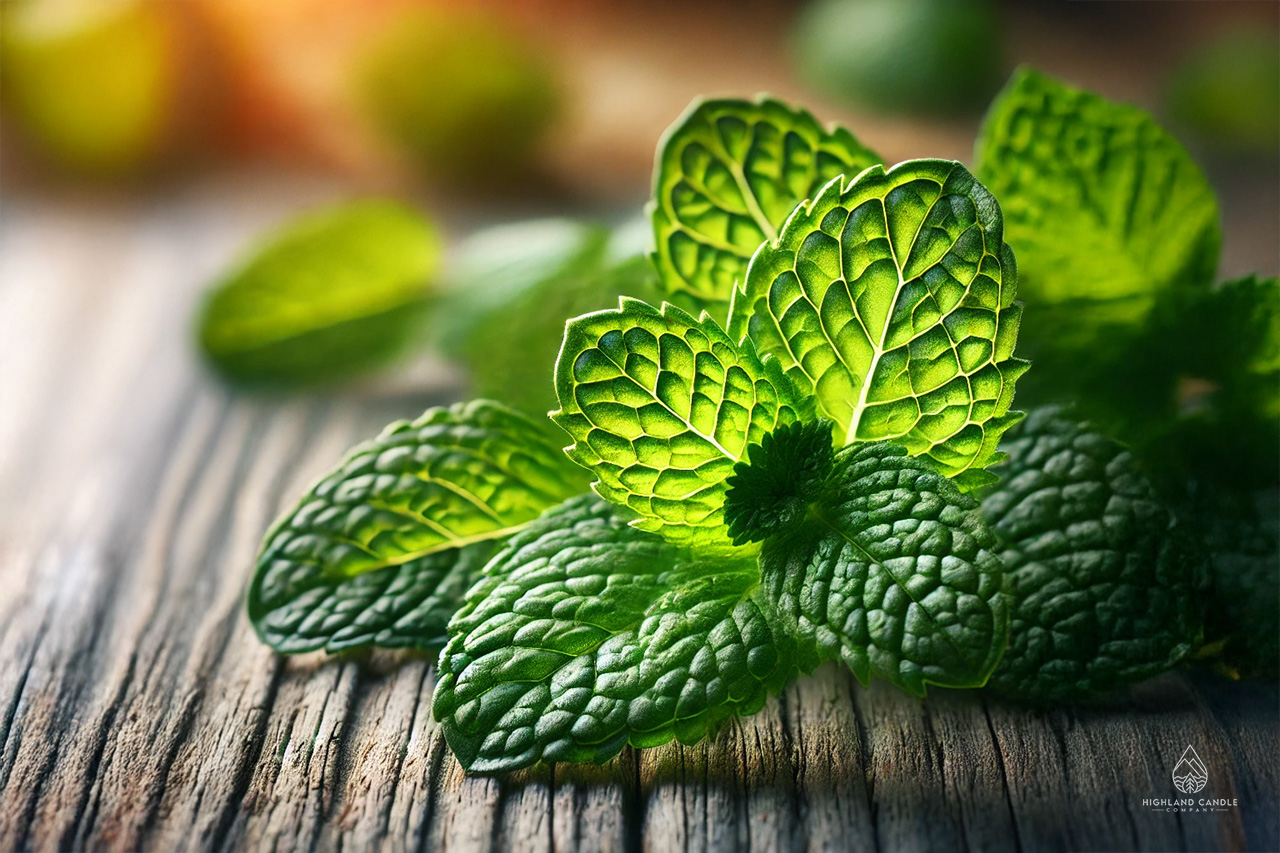
    Peppermint has a sharp, fresh minty smell with a little natural sweetness and a distinctive cooling quality. It’s the sort of scent you recognise immediately, whether it’s coming from a handful of fresh leaves, a peppermint sweet or a bottle of essential oil.

    But fresh peppermint is a little different from the mint flavour we associate with toothpaste and chewing gum. Crush a leaf between your fingers and you’ll notice something greener and more herbal beneath that familiar minty freshness.

    What gives peppermint its distinctive smell?

    Much of peppermint’s character comes from menthol, a naturally occurring compound responsible for its famous cooling sensation. Interestingly, menthol can make your nose feel cold without actually lowering the temperature. It’s one reason peppermint smells so fresh.

    Another compound, menthone, contributes to peppermint’s recognisable minty aroma. Together with the other aromatic compounds in the leaves, it helps give the plant its mixture of sharpness, sweetness and herbal notes.

    Depending on how it’s used, peppermint can smell quite different. Fresh leaves have a softer, greener character, while concentrated peppermint oil can be considerably stronger and more penetrating. Add sweet notes such as vanilla or chocolate and the result becomes much closer to the peppermint confectionery we know so well.

    Does peppermint smell like spearmint?

    They’re related, but there’s a noticeable difference between the two.

    Peppermint is generally sharper and more cooling, with the strong menthol character that makes it so recognisable. Spearmint tends to smell sweeter, softer and a little more like traditional mint chewing gum.

    If you’ve ever compared a peppermint tea with fresh spearmint leaves, you’ll probably recognise the difference. Both smell unmistakably minty, but peppermint has more of that cold, almost tingling edge.

    What does peppermint smell like in candles?

    Peppermint can make a lovely home fragrance, particularly if you enjoy fresh scents rather than heavy florals or sweet perfumes.

    On its own, it can smell wonderfully clean, although a very strong peppermint fragrance may remind some people of toothpaste or medicinal products. Blending it with other scents can change its character considerably.

    Vanilla and peppermint make a softer, sweeter combination, especially popular around Christmas. Chocolate brings out the familiar smell of peppermint creams or mint chocolate, while eucalyptus creates a much sharper, greener fragrance.

    How strongly peppermint comes through in a candle depends on the fragrance formulation, wax, wick and how the candle burns. A fragrance that smells particularly powerful in an unlit candle won’t necessarily smell identical once it’s burning.

    Is peppermint a good scent for your home?

    That depends on whether you enjoy the cooling character of mint. Peppermint can be a refreshing change from warmer scents such as amber, sandalwood and vanilla, particularly in a bathroom, kitchen or home office.

    It also has an unmistakable association with winter and Christmas, although there’s no reason to reserve it for December. Fresh peppermint leaves growing in a garden on a warm summer day smell every bit as appealing.

    If you’re curious about the difference between natural peppermint and the sweeter versions used in fragrance, try smelling a freshly crushed leaf alongside a peppermint sweet. The family resemblance is obvious, but the plant has considerably more going on than you might expect.
  • What Does Rosemary Smell Like?

    What Does Rosemary Smell Like?

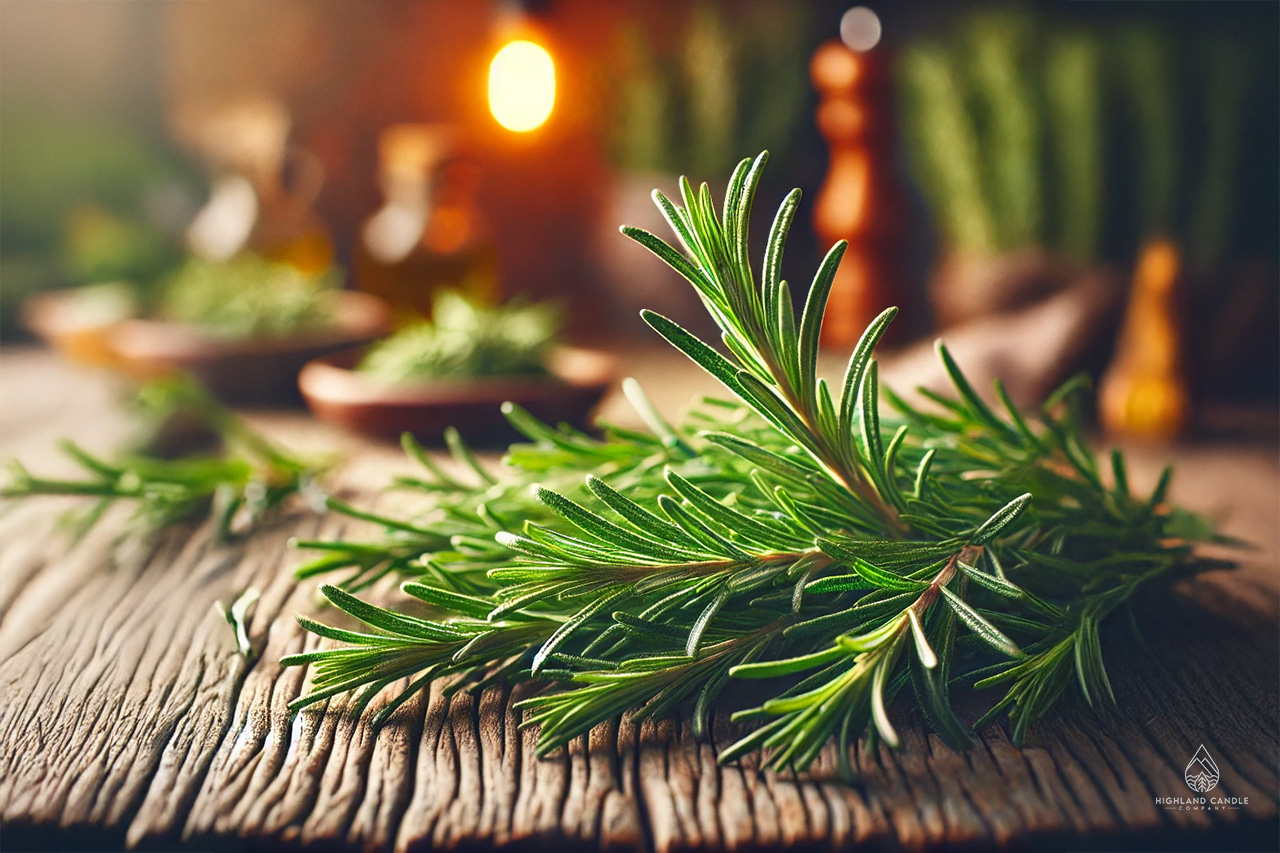
    Rosemary has a distinctive fresh, herbal scent with notes of pine, camphor and a slightly woody, earthy undertone. If you’ve ever rubbed a sprig of rosemary between your fingers, you’ll know just how much fragrance those small, needle-like leaves can release.

    It’s a familiar smell from kitchens and herb gardens, but there’s more to rosemary than its association with roast dinners. Its crisp, evergreen character also makes it a popular ingredient in perfumes, soaps and home fragrances.

    What does rosemary actually smell like?

    The easiest way to describe rosemary is as a mixture of fresh herbs and pine needles, with a cool, slightly medicinal edge.

    There are several recognisable elements to its fragrance:

    • Herbal and green: The fresh, aromatic smell of crushed leaves, with a dry, savoury quality.
    • Pine-like: A woody, evergreen note that gives rosemary some resemblance to conifer needles.
    • Camphorous: A sharp, cooling quality that can remind you of eucalyptus or traditional herbal balms.
    • Slightly earthy: A subtle warmth beneath the fresher notes, particularly noticeable in some varieties.

    Unlike sweeter herbs such as basil, rosemary has a distinctly dry character. It doesn’t smell sugary or particularly floral, although certain varieties can have softer, almost floral nuances.

    Why does rosemary smell so strong?

    Rosemary’s narrow leaves contain aromatic oils that are released when the leaves are crushed, bruised or warmed.

    Several naturally occurring compounds contribute to its characteristic smell, particularly alpha-pinene, camphor and 1,8-cineole, which is also found in eucalyptus.

    The balance of these compounds varies depending on the rosemary variety and growing conditions. That’s why one plant might smell strongly of pine while another has a noticeably sharper, more camphorous fragrance.

    Fresh rosemary also tends to have a brighter, greener scent than dried rosemary, which can develop a softer, more concentrated herbal character.

    Does rosemary smell like eucalyptus or pine?

    There are similarities, but each has its own character.

    Rosemary and eucalyptus share that fresh, camphorous quality. However, eucalyptus generally has a more pronounced cooling, medicinal aroma, while rosemary retains a distinctly savoury, herbal note.

    Rosemary and pine both have woody, evergreen characteristics. Pine tends to smell more resinous, like conifer needles and sap, while rosemary is drier and more herbaceous.

    Rosemary and lavender are both aromatic plants, but lavender is generally softer, sweeter and more floral. Rosemary is sharper and greener.

    If you’re familiar with any of these fragrances, rosemary sits somewhere between a fresh herb garden and the crispness of evergreen foliage.

    What does rosemary smell like in candles?

    In scented candles, rosemary is often used to create a fresh, green and herbal fragrance.

    It can work particularly well alongside citrus notes such as lemon or bergamot, which complement its brightness. Lavender can soften its sharper edges, while cedarwood or other woody notes can bring out its evergreen character.

    Rosemary can also provide an interesting contrast to sweeter fragrances, preventing a blend from feeling overly sugary.

    However, a candle labelled as having a rosemary scent won’t necessarily smell exactly like freshly crushed leaves. Some fragrances emphasise its pine-like freshness, while others bring forward the more medicinal or herbal characteristics.

    The fragrance composition and the other notes in the blend will determine the overall result. A rosemary candle doesn’t necessarily contain rosemary essential oil, either; the scent may be created using a formulated fragrance blend.

    Is rosemary a pleasant fragrance for the home?

    If you enjoy fresh, green and botanical scents, rosemary is certainly worth exploring.

    It’s particularly appealing to people who prefer herbal fragrances over sweet vanilla, rich florals or heavy musks.

    Its savoury undertone means it won’t suit everyone. Some people love that distinctive garden-herb character, while others find the camphorous side a little too medicinal.

    Ultimately, rosemary is a fragrance with plenty of personality. Fresh, woody and unmistakably herbal, it captures something of the scent of an evergreen garden without smelling quite like anything else.

  • What Does Frankincense Smell Like?

    What Does Frankincense Smell Like?

    Frankincense has a distinctive warm, resinous scent with notes of fresh citrus, pine, wood and a gentle peppery spice. Although it’s often associated with smoky church incense, the natural fragrance of frankincense can be surprisingly bright and fresh.

    If you’ve only encountered it during a religious ceremony or in a heavily scented Christmas candle, you might be surprised by the aroma of the resin itself.

    There’s something quite unusual about frankincense. It combines the freshness of evergreen trees with a softer, almost balsamic warmth, creating a fragrance that’s difficult to mistake for anything else.

    What does frankincense actually smell like?

    Frankincense is best described as woody, citrusy and resinous, with subtle spicy and earthy undertones.

    Its fragrance has several recognisable characteristics:

    • Citrus: A fresh, slightly sharp note reminiscent of lemon peel, particularly noticeable in some frankincense varieties.
    • Pine and evergreen: A clean, woody quality similar to pine needles and fresh tree resin.
    • Warm resin: A gentle, balsamic richness that gives the fragrance depth without necessarily making it sweet.
    • Peppery spice: A subtle dry sharpness that adds interest beneath the brighter notes.
    • Earthy and woody: A softer background character that can make frankincense feel warm and slightly mysterious.

    Some people also describe frankincense as having a mineral or stone-like quality. That’s more of a fragrance impression than a literal smell, but it captures something of its dry, understated character.

    Where does frankincense come from?

    Frankincense is an aromatic resin obtained from trees belonging to the Boswellia genus, which grow in parts of the Arabian Peninsula, East Africa and India.

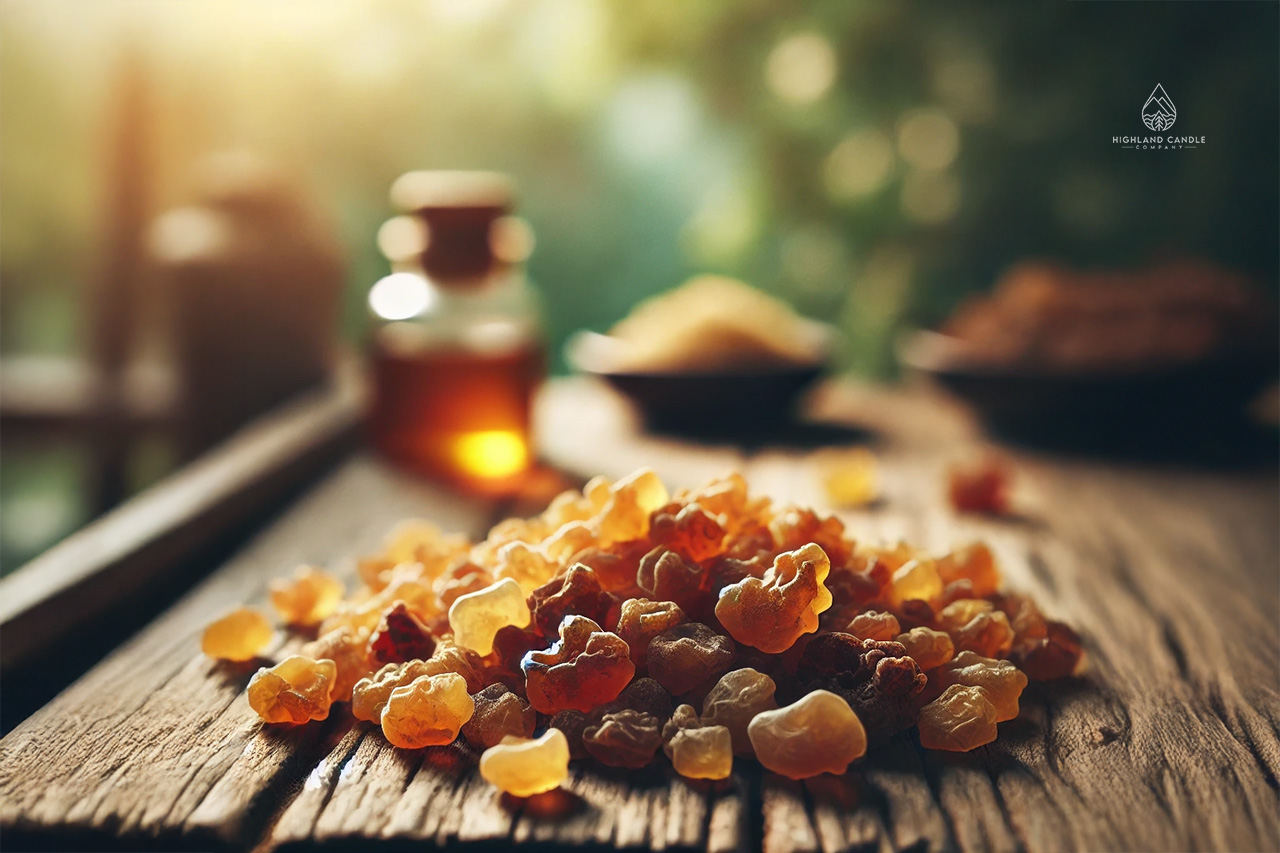
    The resin is collected from the bark and hardens into small, irregular pieces often called tears. These can range from pale yellow and almost translucent to deeper amber shades.

    Frankincense has been traded for thousands of years and has a long history of use in incense, perfumery and religious ceremonies.

    Different species of Boswellia produce resins with different aromatic characteristics. Some are notably fresh and citrusy, while others have warmer, woodier or more earthy qualities.

    That’s one reason frankincense doesn’t always smell exactly the same from one product to another.

    Does frankincense smell like incense?

    Yes, but there’s an important distinction between the aroma of frankincense resin and the smell produced when it’s burned.

    Unburned frankincense, particularly its extracted essential oil, can smell fresh, pine-like and slightly lemony.

    When resin is heated or burned as incense, the fragrance becomes warmer and more atmospheric, with smoky notes from the burning process.

    This is the smell many people associate with churches and traditional ceremonies.

    However, ceremonial incense may contain several different resins and aromatic ingredients. What someone remembers as the smell of frankincense might actually be a mixture of frankincense, myrrh and other materials.

    What’s the difference between frankincense and myrrh?

    Frankincense and myrrh are often mentioned together, particularly around Christmas, but they have quite different fragrances.

    Frankincense is generally brighter and fresher, with citrus, pine and dry woody notes.

    Myrrh tends to be deeper, warmer and more bitter, with earthy, balsamic and occasionally medicinal characteristics.

    When combined, frankincense can provide freshness while myrrh adds richness and depth.

    It’s a pairing that has remained popular in perfumes and incense for centuries.

    What does frankincense smell like in candles?

    In scented candles, frankincense often brings a warm, woody and resinous character, sometimes accompanied by brighter citrus notes.

    The finished fragrance depends on how it’s blended. Some candles emphasise its traditional incense-like qualities, while others use frankincense to add depth to fresher or more contemporary scents.

    It works particularly well alongside:

    • Orange and bergamot: Bringing out its natural citrus freshness.
    • Cedarwood and sandalwood: Emphasising its warm, woody character.
    • Myrrh: Creating a richer, more traditional incense fragrance.
    • Amber and gentle spices: Producing a warmer scent often associated with autumn and winter.

    A candle described as frankincense-scented doesn’t necessarily contain the natural resin or its essential oil. The aroma may be created using a formulated fragrance blend designed to reproduce particular aspects of frankincense.

    That isn’t automatically a disadvantage. It simply means different frankincense candles can smell remarkably different.

    Is frankincense a Christmas scent?

    Frankincense has a strong association with Christmas because it was one of the gifts presented to Jesus in the biblical account of the Magi.

    But the fragrance itself isn’t particularly Christmassy in the usual sense.

    Unlike cinnamon, clove or sweet orange, frankincense has a drier, woodier character that works throughout the year.

    Its traditional associations make it especially popular in winter fragrance collections, although it can be just as appealing in fresher blends where the citrus and evergreen notes take the lead.

    Is frankincense a pleasant smell?

    If you enjoy woody, herbal or resinous fragrances, frankincense is certainly worth exploring.

    It isn’t usually as sweet as vanilla, as floral as lavender or as sharply fresh as eucalyptus. Instead, it sits somewhere between citrus peel, pine resin and warm, dry wood.

    Some people find it comforting and atmospheric. Others may find the more traditional incense-like versions too heavy or reminiscent of religious ceremonies.

    But that’s part of what makes frankincense interesting. Beneath its familiar associations is a surprisingly versatile fragrance, capable of smelling fresh and almost outdoorsy in one blend, and deep and richly resinous in another.

  • What Does Ylang-Ylang Smell Like?

    What Does Ylang-Ylang Smell Like?

    Ylang-ylang has a rich, sweet floral fragrance with creamy, slightly fruity notes that can remind you of banana or custard. There’s also a gentle spiciness and, in some varieties, an unusual green or almost medicinal edge.

    It’s one of those fragrances that’s difficult to compare with a single familiar smell. Imagine the richness of jasmine, a little tropical fruit and the warmth of a soft, sweet floral perfume. That gets you somewhere close.

    But ylang-ylang isn’t simply another sweet flower. Its fragrance has a depth and intensity that makes it particularly distinctive.

    What does ylang-ylang actually smell like?

    Ylang-ylang is best described as a heady, creamy floral fragrance with fruity and slightly spicy undertones.

    Its main characteristics include:

    • Rich floral sweetness: A full, almost intoxicating flower scent, similar in intensity to jasmine or tuberose.
    • Creamy and fruity: A distinctive softness that can bring to mind ripe banana, custard or sweet tropical fruit.
    • Gentle spice: A warm, sometimes clove-like quality beneath the sweeter floral notes.
    • Green undertones: Some varieties have a fresher, slightly leafy or herbal character.
    • Unusual depth: Certain extracts have a faintly medicinal, rubbery or earthy nuance that makes the fragrance more complex than a straightforward floral.

    Not everyone notices all these notes. Some people find ylang-ylang beautifully creamy and floral, while others are more aware of its fruity sweetness or slightly unusual background scent.

    Where does ylang-ylang come from?

    Ylang-ylang comes from the flowers of Cananga odorata, a tropical tree native to parts of Southeast Asia.

    The tree produces long, narrow-petalled flowers that become particularly fragrant as they mature. Their essential oil is extracted through distillation and has been used in fine perfumery for generations.

    Today, ylang-ylang is cultivated commercially in places including Madagascar and the Comoros, where its aromatic oil is an important product.

    Unlike many floral fragrances, ylang-ylang oil is often collected in different stages during distillation. These produce oils with noticeably different aromatic characteristics.

    Why do different ylang-ylang oils smell different?

    If you’ve ever compared two bottles of ylang-ylang essential oil, you might have wondered why they don’t smell exactly alike.

    One reason is that ylang-ylang is traditionally separated into different distillation grades, including Extra, I, II and III.

    Ylang-Ylang Extra is collected early in the distillation and is generally prized for its bright, rich floral character and creamy sweetness.

    Ylang-Ylang Complete represents the broader distillation, either collected continuously or assembled from the various fractions. It can have a fuller, warmer scent, with more pronounced spicy, woody or green undertones.

    Neither description guarantees that every supplier’s oil will smell identical. Growing conditions, extraction methods and the composition of the oil all influence the final aroma.

    Does ylang-ylang smell like jasmine?

    Ylang-ylang and jasmine are often compared because both are rich, powerful floral fragrances commonly used in perfume.

    However, there are some noticeable differences.

    Jasmine generally has a lush white-floral scent, sometimes with green, fruity or musky undertones depending on the variety.

    Ylang-ylang is often creamier, sweeter and more noticeably fruity, with its characteristic banana-like quality and gentle spiciness.

    Both can be quite intense, especially in concentrated forms, and both can develop deeper, less obviously floral notes.

    If you’re curious about the comparison, we’ve also explored what jasmine smells like.

    What does ylang-ylang smell like in candles?

    In scented candles, ylang-ylang is usually used to create a warm, rich floral fragrance.

    It can be particularly appealing in blends that combine flowers with soft woods, citrus or gentle sweetness.

    Some popular combinations include:

    • Ylang-ylang and jasmine: A rich, full floral fragrance with plenty of depth.
    • Ylang-ylang and sandalwood: Creamy floral sweetness balanced by warm, soft wood.
    • Ylang-ylang and bergamot: Bright citrus notes that provide contrast to the heavier floral character.
    • Ylang-ylang and vanilla: A sweeter combination that emphasises its creamy qualities.

    A candle labelled as ylang-ylang-scented won’t necessarily smell exactly like the flower or its essential oil. Candle fragrances may use natural aromatic materials, formulated fragrance compounds or a combination of both.

    Some blends emphasise ylang-ylang’s softer floral character, while others bring out its more tropical, fruity side.

    Is ylang-ylang a strong fragrance?

    It certainly can be. Ylang-ylang is known for its rich, heady character, and concentrated essential oil can seem surprisingly powerful.

    For people who enjoy bold floral fragrances, that’s much of its appeal. Those who prefer lighter, fresher scents may find some ylang-ylang blends rather sweet or overwhelming.

    However, the strength of a finished candle or perfume depends on its complete fragrance formulation, not simply the presence of ylang-ylang.

    Who would enjoy the smell of ylang-ylang?

    If you enjoy jasmine, gardenia, tuberose or other rich floral fragrances, ylang-ylang is worth discovering.

    It has a distinctive combination of sweetness, creaminess and subtle spice that sets it apart from more familiar flowers such as rose or lavender.

    And while it’s often described as tropical, that doesn’t mean it smells like sunscreen or a fruity cocktail. Its natural aroma is considerably more floral and complex.

    The best description might be a sweet flower with an unexpected fruity twist. Once you’ve recognised that creamy, almost banana-like note, ylang-ylang becomes much easier to identify.

  • What Does Jasmine Smell Like?

    What Does Jasmine Smell Like?

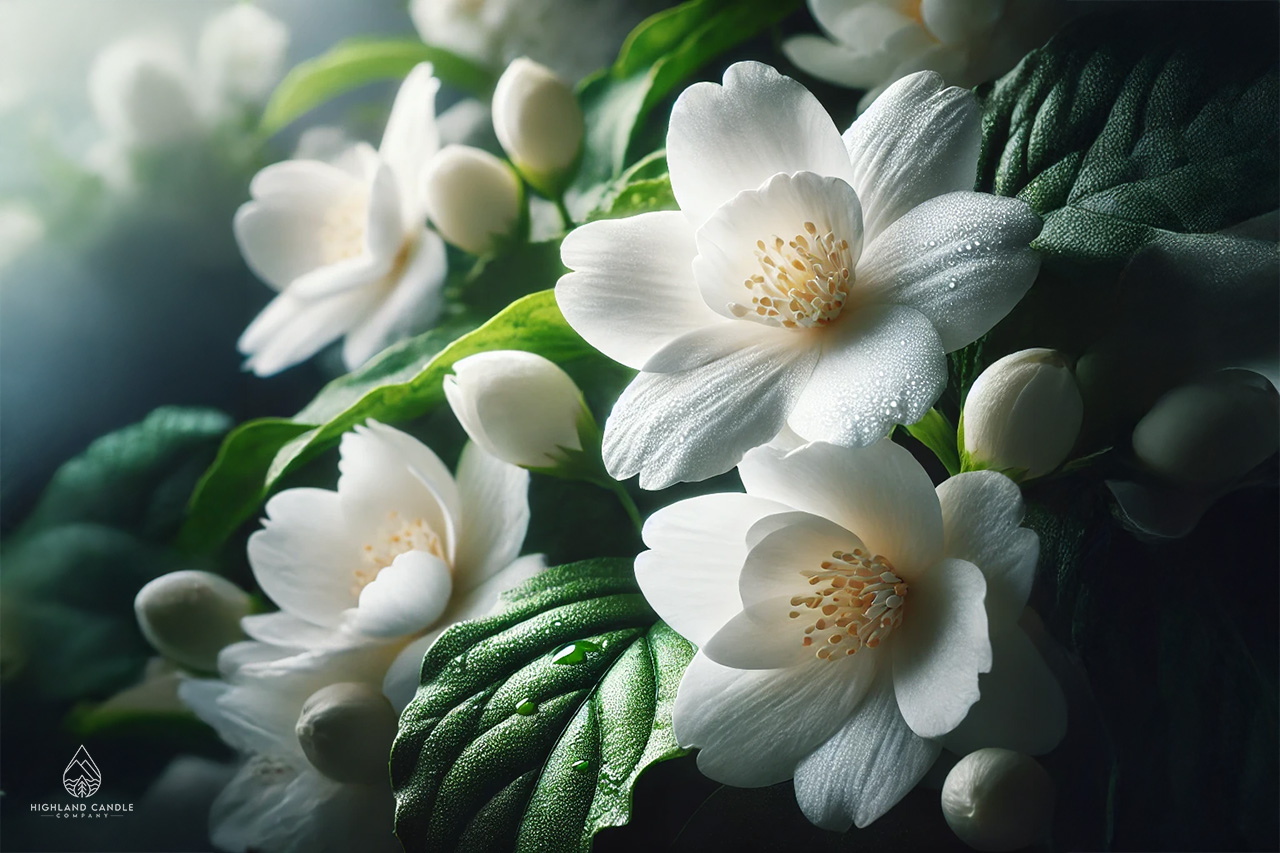
    Jasmine has a rich, sweet floral fragrance with fresh green notes and a warm, slightly musky undertone. It’s often described as a white floral scent, but there’s considerably more to it than the delicate smell of fresh flowers.

    Depending on the variety, jasmine can have hints of honey, fruit, green tea and even something faintly animalic. That combination gives it a depth that many other floral fragrances lack.

    If you’ve only encountered jasmine in shampoo or scented candles, the aroma of the real flowers might surprise you. Fresh jasmine can be softer, greener and less sugary than its interpretation in finished fragrances.

    What does jasmine actually smell like?

    Jasmine is best described as a sweet, heady white floral fragrance with green, fruity and sometimes musky undertones.

    Its most recognisable characteristics include:

    • Rich floral sweetness: A full, unmistakably floral scent that’s generally stronger and more complex than many delicate garden flowers.
    • Fresh green notes: A leafy, slightly herbal freshness that can sometimes resemble green tea.
    • Honey and fruit: Some varieties have a soft sweetness with hints of ripe fruit or nectar.
    • Warm, musky depth: A subtle richness that can make jasmine smell more intimate and less purely floral.

    The balance between these notes makes a considerable difference. One jasmine fragrance might smell fresh and airy, while another feels rich, sweet and almost overwhelming.

    Why does jasmine sometimes smell musky or unusual?

    One of the interesting things about jasmine is a naturally occurring aromatic compound called indole.

    In small amounts, indole can add warmth and complexity to floral fragrances. It’s one of the reasons certain jasmine extracts have such a distinctive depth.

    At higher concentrations, however, its smell can become much less conventionally pleasant. Some people describe it as musty, animalic or even reminiscent of mothballs.

    That might sound like an odd ingredient for a beautiful floral fragrance, but perfumery often works through contrasts. A small amount of something unusual can make a scent feel more natural and interesting.

    Not every jasmine fragrance has a noticeable indolic character. Some are deliberately formulated to emphasise the flower’s fresher, sweeter qualities instead.

    What’s the difference between jasmine sambac and grandiflorum?

    Two of the most important types of jasmine in perfumery are Jasminum sambac and Jasminum grandiflorum.

    Although they’re closely related in fragrance character, they aren’t identical.

    Jasmine sambac

    Jasmine sambac, sometimes called Arabian jasmine, often has a fresh, intense floral aroma with green, fruity and slightly honeyed qualities.

    It can have a noticeable resemblance to orange blossom, along with hints of green tea or ripe fruit.

    It’s also the type of jasmine traditionally used to scent jasmine tea, which helps explain why some people associate its fragrance with a fresh, tea-like quality.

    Jasmine grandiflorum

    Jasmine grandiflorum is widely used in fine perfumery and is often associated with a rich, rounded white floral scent.

    It can have warm, fruity and slightly animalic undertones, sometimes with a soft green freshness beneath the more powerful floral notes.

    These descriptions are generalisations rather than strict rules. The growing region, harvesting and extraction process can all affect the finished aroma.

    Does jasmine smell like honeysuckle or gardenia?

    Jasmine shares certain characteristics with other fragrant flowers, but there are differences worth knowing.

    Honeysuckle is generally lighter and more nectar-like, with a sweet floral fragrance that can seem almost honeyed. Jasmine usually has greater depth and a more noticeable musky character.

    Gardenia tends to be creamier and more rounded, sometimes with green or slightly earthy nuances. Jasmine is often brighter, although its richer forms can be equally intense.

    Ylang-ylang is another powerful floral scent, but it’s often sweeter and creamier, with a distinctive banana-like fruitiness. We’ve explored this in our guide to what ylang-ylang smells like.

    Of the three, jasmine is perhaps the most difficult to reduce to a single familiar comparison. It has a recognisable floral sweetness, but the greener and warmer notes give it an identity of its own.

    What does jasmine smell like in candles?

    In scented candles, jasmine is often used to create a rich floral fragrance, although the finished result can vary enormously.

    A jasmine-focused candle might smell like fresh white flowers, while another could have a warm, creamy character closer to a traditional perfume.

    Jasmine also works well with other fragrance notes:

    • Jasmine and bergamot: Bright citrus freshness alongside the floral sweetness.
    • Jasmine and sandalwood: A softer, warmer fragrance with woody depth.
    • Jasmine and rose: A classic floral combination with a rich, romantic character.
    • Jasmine and green tea: A fresher interpretation that emphasises the flower’s lighter qualities.

    It’s worth remembering that a jasmine-scented candle doesn’t necessarily contain natural jasmine extract. Fragrance makers can recreate aspects of the flower using a blend of aromatic ingredients.

    That’s one reason two candles labelled ‘jasmine’ may smell quite different from one another.

    Is jasmine a strong fragrance?

    Jasmine can be remarkably powerful, particularly in concentrated extracts and fragrances that emphasise its richer characteristics.

    However, the strength of a finished perfume or candle depends on the complete composition, not simply the presence of jasmine.

    Some jasmine fragrances are light and fresh, while others are unmistakably heady. If you find the richer versions too intense, look for blends with citrus, tea or green notes, which can create a different impression.

    Is jasmine a pleasant smell?

    For people who enjoy floral fragrances, jasmine is often a favourite. It combines familiar flower sweetness with enough complexity to remain interesting.

    But it isn’t universally appealing. Some people love its rich, almost intoxicating character, while others find it too sweet, too perfumed or slightly musky.

    That’s part of what makes jasmine distinctive. It can smell like a freshly opened flower, a cup of scented tea or an elaborate floral perfume, depending on the variety and how it’s used.

    If you enjoy white flowers with a little more depth than a simple sweet fragrance, jasmine is well worth getting to know.

  • What Does Oud Smell Like?

    What Does Oud Smell Like?

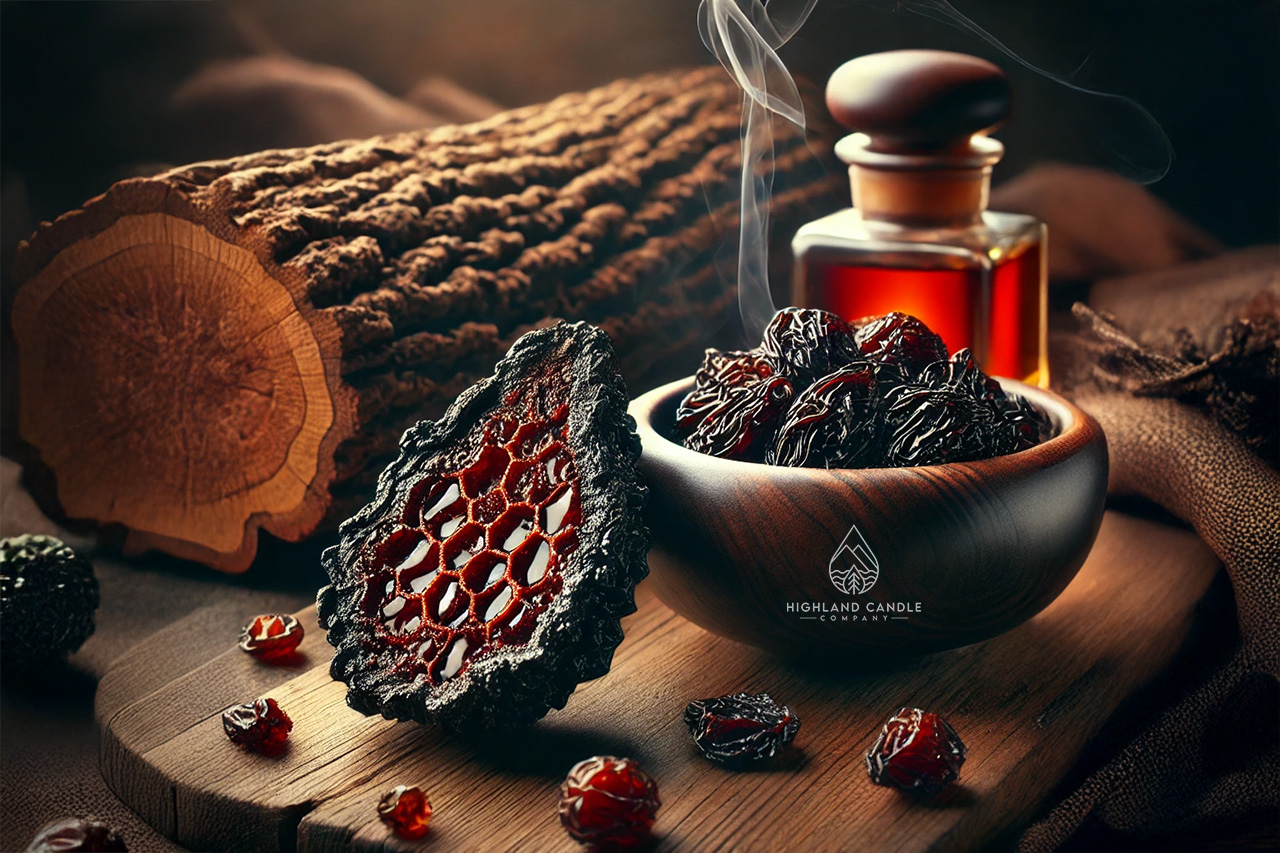
    Oud has a deep, woody fragrance with earthy, leathery and sometimes smoky notes. Depending on the variety, it can also smell sweet, spicy, medicinal or surprisingly animalic.

    It’s one of the more unusual scents used in perfumery. While many fragrances are immediately recognisable, oud can take a little getting used to. Some people find it warm and beautifully complex. Others are surprised by how strong, damp or even slightly barnyard-like it can smell.

    And if you’ve encountered oud in several different perfumes or candles, you’ll probably have noticed that they don’t always smell alike.

    What does oud actually smell like?

    Oud is best described as a dark, resinous wood fragrance with considerable depth. Its most distinctive characteristics include:

    • Deep woodiness: The central note, often reminiscent of dark, aged or slightly damp wood rather than freshly cut timber.
    • Earthy and leathery: A rich, sometimes musky quality that gives oud its distinctive character.
    • Warm resin: A balsamic sweetness that can soften the darker notes.
    • Smoke and spice: Some varieties have hints of incense, pepper or gently smouldering wood.
    • Animalic or medicinal notes: Certain natural oud oils have unusual characteristics that people compare to leather, a stable or traditional medicinal preparations.

    Not every oud has all these qualities. Some smell quite sweet and smooth, while others are intensely earthy or animalic.

    That variation is part of what makes oud so interesting, and why describing it simply as a luxurious woody fragrance doesn’t tell you very much.

    Where does oud come from?

    Oud comes from agarwood, a dark, fragrant, resin-rich wood produced by certain trees, particularly those belonging to the Aquilaria and Gyrinops genera.

    These trees grow in parts of South and Southeast Asia. When they experience injury or certain forms of biological stress, they can produce aromatic resins within the wood.

    Over time, the resin-rich portions develop the complex fragrance for which agarwood is prized.

    The wood can be used as incense, while oud oil is typically obtained through distillation.

    Natural agarwood is valuable partly because producing high-quality resin takes time and its aromatic character varies considerably. Heavy demand has also placed pressure on wild populations, making responsible sourcing important.

    Does Indian oud smell different from Cambodian oud?

    There are recognised differences between the styles of oud traditionally associated with different regions.

    Indian oud, particularly from Assam, is often described as deep, earthy, leathery and strongly animalic.

    Cambodian oud is frequently associated with sweeter, warmer and sometimes fruity or balsamic characteristics.

    However, these aren’t fixed rules. The tree species, growing conditions, resin formation, ageing and distillation process can all influence the finished oil.

    Two batches from the same region may smell quite different, so geographical labels are better treated as a general guide than a guarantee of a particular fragrance.

    Why does oud sometimes smell unpleasant?

    One of oud’s most unusual qualities is that its fragrance can include notes we don’t normally associate with something pleasant.

    Some natural oils have a powerful animalic, fermented or medicinal character, particularly when smelled in concentrated form.

    In a carefully balanced perfume, these qualities can add depth and contrast. The sweetness of a floral or resinous note may seem richer when combined with something darker and more challenging.

    It’s rather like the difference between smelling an ingredient on its own and experiencing it as part of a finished composition.

    Of course, fragrance is subjective. Some people love oud’s more unusual character, while others prefer the smoother, woodier interpretations found in modern perfumes.

    Does an oud candle contain real agarwood?

    Not necessarily.

    Natural oud oil can be extremely expensive, so many fragrances described as oud use an oud accord instead.

    An accord is a combination of aromatic ingredients blended to recreate a particular smell. In the case of oud, perfumers might combine woody, leathery, smoky, earthy and amber-like notes to suggest the character of agarwood.

    Some compositions contain natural oud alongside other materials, while others recreate the fragrance without using agarwood at all.

    That doesn’t automatically make an oud accord inferior. It may be designed to emphasise a softer or more approachable interpretation of the scent.

    In scented candles, oud is often paired with amber, rose, sandalwood, vanilla or spices. These combinations can produce fragrances ranging from dark and smoky to warm, sweet and gently woody.

    The word ‘oud’ on a candle label therefore describes the intended fragrance character, rather than necessarily confirming that natural agarwood oil is an ingredient.

    What’s the difference between oud and sandalwood?

    Although both are woody fragrances, they smell quite different.

    Sandalwood is generally smooth, creamy, soft and gently sweet. It has a warm, rounded character that often makes it easy to combine with other fragrance notes.

    Oud tends to be darker, earthier and more complex, sometimes with pronounced leathery, smoky or animalic qualities.

    If sandalwood reminds you of polished, creamy wood, oud is more likely to suggest something aged, resinous and deeply aromatic.

    We’ve explored the comparison further in our guide to what sandalwood smells like.

    Is oud a strong fragrance?

    Oud has a reputation for intensity, particularly in concentrated natural oils and perfumes that emphasise its darker characteristics.

    However, not every oud fragrance is powerful. Some modern interpretations are relatively soft, with gentle woods and amber replacing the more challenging animalic notes.

    How strongly an oud-scented candle fills a room depends on its complete fragrance formulation and the candle itself. The presence of an oud note doesn’t guarantee a particular level of fragrance throw.

    Who would enjoy the smell of oud?

    If you enjoy woody, earthy, leathery or resinous fragrances, oud is worth exploring.

    It’s particularly interesting for people who find simple woody scents a little too predictable and want something with greater depth.

    On the other hand, if you prefer clean citrus, delicate flowers or fresh linen fragrances, the darker varieties may take some getting used to.

    Oud isn’t one single smell. It can be smoky and intense, sweet and balsamic, or surprisingly smooth and understated.

    That’s what makes it distinctive. Beyond the luxury branding and expensive perfume bottles is a genuinely unusual aromatic material, with a character that can change considerably from one interpretation to another.

  • What Does Lemon Smell Like?

    What Does Lemon Smell Like?

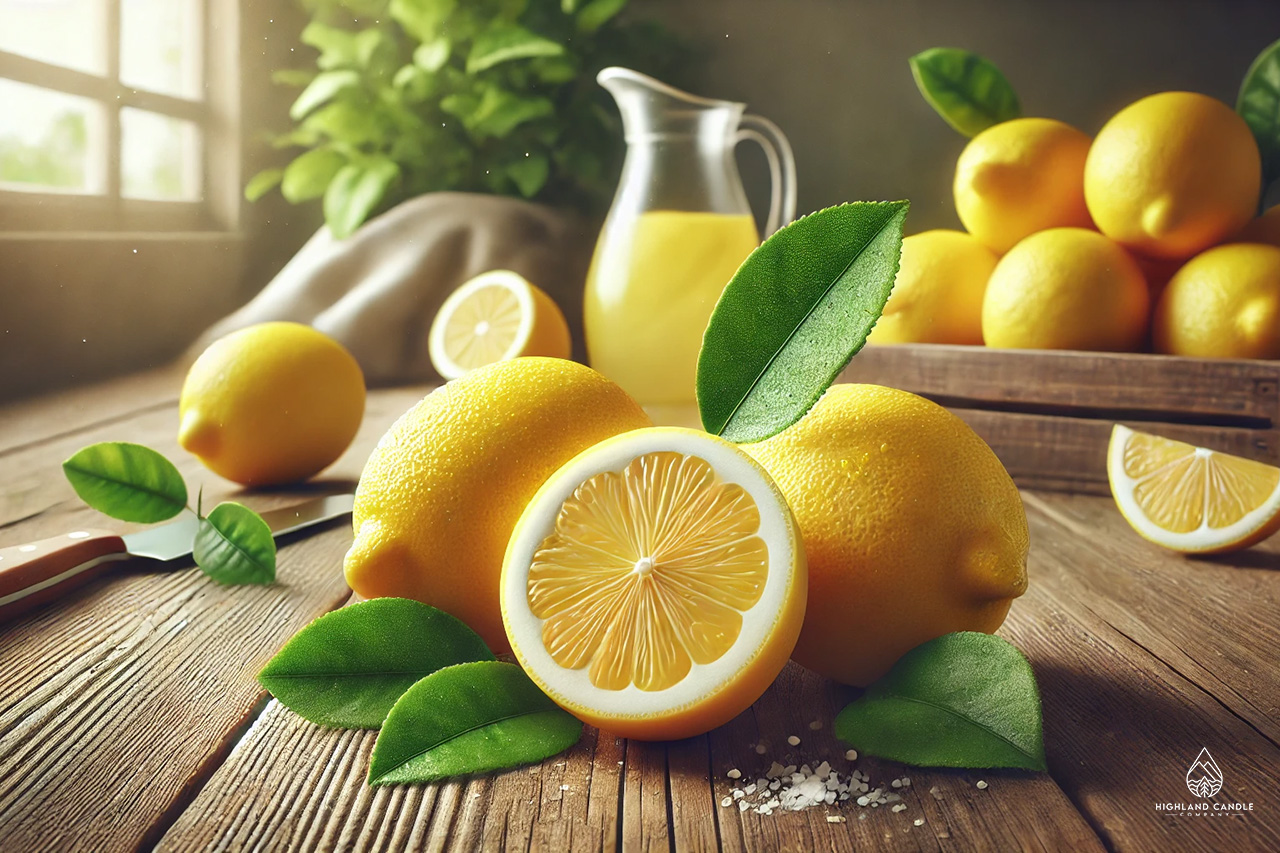
    Lemon has a bright, sharp citrus scent with a fresh, zesty character and a touch of natural sweetness. It’s one of the easiest fragrances to recognise, especially when you cut into a lemon or grate a little of its yellow peel.

    There’s an immediate burst of freshness, followed by something slightly green and almost floral. It can remind you of lemonade, freshly squeezed juice or a clean kitchen, although the real fruit has a more complex aroma than many lemon-scented products.

    What does lemon actually smell like?

    The most distinctive part of lemon’s fragrance comes from its peel, which contains aromatic oils released when the skin is cut, squeezed or grated.

    Its scent has several recognisable qualities:

    • Bright and zesty: The sharp, lively citrus aroma you notice when peeling or cutting a fresh lemon.
    • Fresh and green: A slightly leafy quality that gives the fruit a natural freshness.
    • Lightly sweet: A subtle fruity softness beneath the sharper citrus notes.
    • Faintly floral: Some lemon oils have delicate floral nuances that become more noticeable when the initial sharpness fades.

    Lemon is often described as smelling sour, but sourness is primarily a taste sensation. Our familiarity with lemon juice influences how we interpret its aroma, so we naturally associate the smell with the sharp taste of the fruit.

    Why does lemon have such a strong smell?

    The outer peel of a lemon contains tiny oil glands filled with aromatic compounds.

    When you squeeze or grate the peel, those oils are released into the air, producing the distinctive burst of lemon fragrance.

    One of the most abundant compounds is limonene, which contributes a familiar citrus aroma. Other compounds, including citral, help give lemon its characteristic sharp, fresh smell.

    The balance of these substances can vary depending on the lemon variety, growing conditions and ripeness.

    That’s also why freshly grated lemon zest can smell considerably stronger than a glass of lemon juice. Much of the fruit’s most fragrant oil is concentrated in its outer skin.

    Does lemon smell like lime or grapefruit?

    All three belong to the citrus family, but each has a recognisable character.

    Lemon has a bright, sharp and fairly direct citrus fragrance, with a little sweetness beneath the zest.

    Lime often smells greener and slightly more aromatic, sometimes with a sharper, almost herbal quality.

    Grapefruit tends to have a broader, juicier citrus character, with a distinctive bitter impression and sometimes a slightly sulphurous edge.

    Bergamot is different again, combining citrus freshness with a softer floral quality. It’s the familiar aromatic note associated with Earl Grey tea.

    Lemon is perhaps the most straightforward of the group: bright, fresh and unmistakably citrusy.

    What is the difference between lemon and lemongrass?

    Despite their similar names, lemon and lemongrass come from completely different plants.

    Lemongrass is an aromatic grass with a strong lemon-like fragrance. It contains compounds such as citral, which help explain why its scent resembles lemon.

    However, lemongrass generally has a greener, more herbal character, sometimes with a slightly grassy or woody undertone.

    Lemon smells more distinctly fruity, particularly when you’re comparing fresh lemon peel with crushed lemongrass leaves.

    What does lemon smell like in candles?

    In scented candles, lemon is usually associated with freshness, brightness and a clean citrus character.

    Some lemon fragrances try to recreate the sharp aroma of freshly grated zest. Others emphasise sweetness, creating something closer to lemonade, lemon sherbet or lemon cake.

    Lemon also combines well with other fragrance notes:

    • Lemon and rosemary: Fresh citrus with a green, herbal character.
    • Lemon and basil: A bright, aromatic fragrance with a slightly savoury edge.
    • Lemon and ginger: Sharp citrus balanced by warm spice.
    • Lemon and verbena: A fresh, green fragrance with an additional herbal-citrus quality.

    Lemon is often described as a top note in perfumery because many citrus materials evaporate relatively quickly. However, the fragrance performance of a scented candle depends on its complete composition and formulation.

    A lemon-scented candle doesn’t necessarily contain natural lemon essential oil. Its fragrance may be created using a combination of natural and manufactured aromatic ingredients.

    Why do some lemon fragrances smell like cleaning products?

    Lemon has been used in household cleaning fragrances for so long that many people strongly associate its smell with washing-up liquid, furniture polish and surface cleaners.

    Some products emphasise a very sharp, simple citrus aroma, which can feel less like freshly cut fruit and more like a familiar household cleaner.

    That doesn’t necessarily mean the fragrance is poor quality or made from inferior ingredients. It’s largely a matter of how the scent has been composed and what you associate it with.

    A more fruit-like lemon fragrance may include softer green, sweet or floral nuances alongside the familiar citrus brightness.

    Is lemon a pleasant fragrance for the home?

    If you enjoy fresh, lively fragrances rather than heavy florals or sweet perfumes, lemon is an obvious choice.

    It’s particularly popular in kitchen and bathroom fragrances, partly because its familiar aroma is so closely associated with cleanliness.

    But lemon doesn’t have to smell like a cleaning product. Combined with herbs, woods or other citrus notes, it can produce fragrances that are fresh without being harsh or overly sharp.

    For the most recognisable version of the scent, though, it’s difficult to improve on the real thing: a little fresh lemon zest, releasing its aromatic oils into the air.

  • What Does Rose Smell Like?

    What Does Rose Smell Like?

    Rose has a rich, sweet floral fragrance, often accompanied by fresh green, fruity and slightly spicy notes. Depending on the variety, it can smell like soft flower petals, ripe berries, honey or even a freshly brewed cup of tea.

    It’s a more interesting scent than the powdery rose perfumes and soaps many people associate with it. Smell a fragrant garden rose on a warm morning and you might be surprised by how fresh, green or fruity it is.

    And not all roses smell alike. Some have a powerful fragrance that carries across a garden, while others are surprisingly faint.

    What does rose actually smell like?

    Most people recognise the familiar sweetness of rose, but its fragrance can have several different characteristics:

    • Sweet and floral: The classic scent of fresh rose petals, soft and sometimes almost honeyed.
    • Fresh and green: A slightly leafy quality that gives some roses a crisp, natural freshness.
    • Fruity: Certain varieties have hints of raspberry, lychee, apple or other ripe fruits.
    • Spicy: Some roses develop subtle clove-like, peppery or warm aromatic notes.
    • Tea-like: A delicate, slightly earthy quality associated with particular garden rose varieties.

    The balance of these notes makes a considerable difference. A traditional Damask rose can smell quite different from a modern hybrid tea rose, even though both are unmistakably roses.

    Why do different roses smell different?

    There are thousands of rose varieties, and their fragrances can be remarkably diverse.

    Some are prized for their strong, traditional floral scent, while others have unusual fruity, spicy or herbal characteristics. Certain modern roses have very little fragrance at all.

    Part of the explanation lies in their chemistry. Rose petals release a complex mixture of aromatic compounds, including phenylethyl alcohol, citronellol, geraniol and several particularly powerful substances present in tiny amounts.

    These combine to create the fragrance we recognise as rose, but the proportions vary between varieties.

    Rose breeding has also played a part. Many modern cut-flower roses have been developed primarily for appearance, durability and vase life rather than fragrance. That helps explain why a beautiful bouquet from a florist might have less scent than a rose growing in someone’s garden.

    What does Damask rose smell like?

    The Damask rose, Rosa damascena, is one of the most important roses in traditional perfumery.

    Its fragrance is typically rich, sweet and intensely floral, sometimes with fruity, spicy or slightly green undertones.

    Damask roses are cultivated for fragrance production in countries including Bulgaria and Turkey, where their petals are used to produce rose oil and other aromatic extracts.

    Another important perfumery rose is Rosa centifolia, commonly called the cabbage rose or May rose. It’s often associated with a softer, rounded floral scent.

    These descriptions are general rather than absolute. Even roses of the same variety can show differences depending on growing conditions, maturity and how their fragrance is extracted.

    What’s the difference between rose otto and rose absolute?

    If you’ve explored rose fragrances or essential oils, you may have encountered the terms rose otto and rose absolute.

    Both are aromatic materials obtained from rose petals, but they’re produced differently.

    Rose otto is an essential oil obtained through steam or water distillation. It’s often described as fresh, floral and slightly green, sometimes with a delicate honeyed character.

    Rose absolute is produced using solvent extraction. It can have a fuller, richer floral character, sometimes with deeper honeyed or fruity nuances.

    Neither is automatically better. They have different compositions and aromatic characteristics, making them useful for different fragrance styles.

    Why do some rose fragrances smell soapy or powdery?

    Rose has been used in soaps, cosmetics and perfumes for generations. As a result, many people associate the scent with traditional beauty products rather than fresh flowers.

    In fragrance compositions, rose notes are frequently combined with musks, powdery materials and other florals to create a soft, familiar perfume character.

    There’s nothing inherently wrong with that style, but it can smell quite different from a freshly opened garden rose.

    A more naturalistic rose fragrance might emphasise green leaves, fresh petals or fruity notes, while a traditional powdery rose might focus on softness and warmth.

    Both are interpretations of rose. The difference is largely down to how the fragrance has been blended.

    Does rose smell like peony or jasmine?

    Rose shares some qualities with other floral fragrances, although there are recognisable differences.

    Peony is generally described in perfumery as a lighter, fresher floral, sometimes with rosy, watery or fruity characteristics. Rose often has a richer and more rounded sweetness.

    Jasmine tends to be a more heady white floral, with green, fruity and occasionally musky or animalic undertones. Rose usually has a more recognisable petal-like character.

    We’ve explored that fragrance separately in our guide to what jasmine smells like.

    What does rose smell like in candles?

    Rose is a popular fragrance note in scented candles, but the results can vary considerably.

    Some candles aim to recreate the smell of fresh rose petals, while others take a more traditional perfumed approach with powdery or musky notes.

    Rose also combines particularly well with other fragrances:

    • Rose and oud: A rich floral scent balanced by dark, woody and resinous notes.
    • Rose and bergamot: Fresh citrus brightness alongside soft floral sweetness.
    • Rose and sandalwood: A warm, creamy fragrance with a gentle woody base.
    • Rose and patchouli: Floral sweetness contrasted with earthy, slightly spicy notes.

    A rose-scented candle doesn’t necessarily contain natural rose oil or absolute. Many use fragrance compositions designed to recreate particular characteristics of the flower.

    That means two candles labelled as rose can smell completely different, from fresh and delicate to rich, sweet and heavily perfumed.

    Is rose a pleasant fragrance for the home?

    If you enjoy floral fragrances, rose offers considerably more variety than its traditional reputation might suggest.

    A fresh, green rose fragrance can feel light and botanical, while a richer Damask-style rose creates a deeper, more noticeable floral character.

    Those who dislike powdery perfumes may still enjoy rose fragrances that focus on fresh petals and fruity notes.

    Perhaps the best way to understand rose is to smell a few different varieties in a garden. One might remind you of honey, another of fruit or spice, and another of the familiar floral sweetness found in perfume.

    They all belong to the same family of fragrances, but there’s far more variation than the word “rose” alone suggests.

  • What Does Honeysuckle Smell Like?

    What Does Honeysuckle Smell Like?

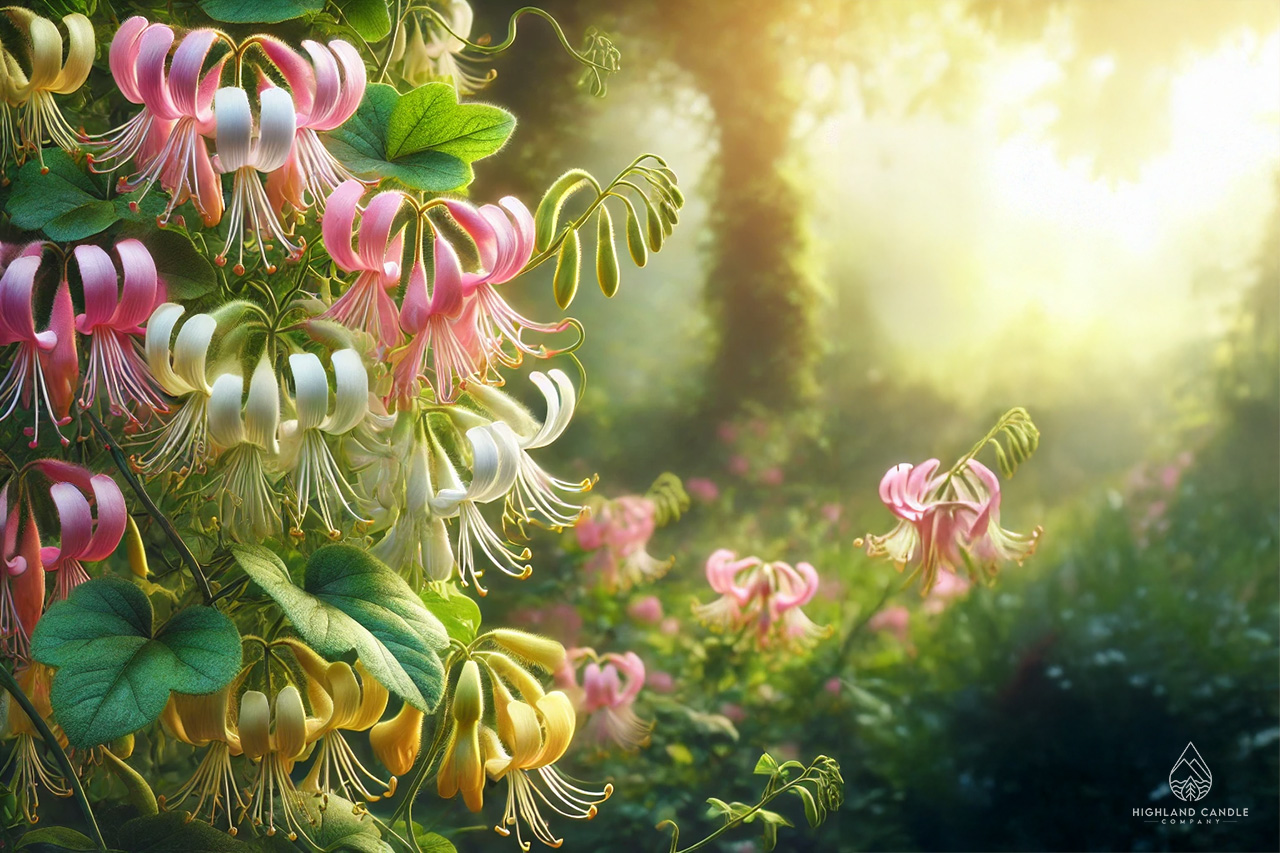
    Honeysuckle has a sweet, nectar-like floral scent with hints of honey, jasmine and a little fresh greenery. It’s one of those fragrances that can immediately bring to mind a warm summer evening, particularly if you’ve ever walked past a honeysuckle-covered hedge or garden fence.

    The flowers have a surprisingly rich aroma for something so delicate-looking. Their sweetness can almost seem edible, yet there’s a freshness that prevents the fragrance from becoming simply sugary.

    What does honeysuckle actually smell like?

    Imagine a combination of fresh white flowers, soft honey and the faint green smell of leaves on a warm day. That’s a reasonable starting point for describing honeysuckle.

    Its main fragrance characteristics include:

    • Honeyed sweetness: A rich, nectar-like quality that’s probably the most recognisable part of its scent.
    • White floral notes: A soft but noticeable flower fragrance, sometimes reminiscent of jasmine.
    • Fresh greenery: A subtle leafy quality that balances the sweetness.
    • Gentle warmth: Some varieties have hints of vanilla, spice or a slightly musky floral character.

    Honeysuckle doesn’t smell exactly like honey from a jar. Its sweetness is lighter and more floral, with the impression of nectar rather than sugar.

    Different species and varieties also have different fragrances. Some smell particularly rich and sweet, while others are much lighter or have little noticeable scent.

    Why does honeysuckle smell stronger in the evening?

    One of the loveliest things about honeysuckle is how its fragrance can become more noticeable as daylight fades.

    Our native honeysuckle, Lonicera periclymenum, is a climbing plant found in British woodland, hedgerows and gardens. Its flowers often release their strongest fragrance during the evening and at night.

    There’s a good reason for this. Honeysuckle attracts moths, which visit its tubular flowers to feed on nectar and help pollinate the plant.

    The fragrance acts as a signal, helping the moths locate the flowers in fading light.

    On a warm, still evening, the scent can carry surprisingly far. You might notice the honeysuckle before you spot the flowers themselves.

    Does honeysuckle smell like jasmine?

    Honeysuckle and jasmine share a rich floral sweetness, but they’re not identical.

    Honeysuckle generally has a brighter, nectar-like quality, with soft honeyed sweetness and fresh green undertones.

    Jasmine is often richer and more complex, with green, fruity and sometimes musky or animalic notes.

    Both can be intensely fragrant, particularly in the evening, but honeysuckle usually has a more immediately recognisable nectar-like character.

    We’ve explored the differences in our guide to what jasmine smells like.

    What about lilac and orange blossom?

    Other floral fragrances can have similarities to honeysuckle.

    Lilac is generally fresher and sometimes powderier, with a soft spring-flower character rather than honeysuckle’s pronounced nectar sweetness.

    Orange blossom combines sweet white flowers with fresh citrus and green notes. It can have a richer, slightly soapy quality in some perfume compositions.

    Honeysuckle sits somewhere between these fragrances, although its distinctive honeyed sweetness gives it an identity of its own.

    What does honeysuckle smell like in candles?

    In scented candles, honeysuckle is often used to create a sweet, summery floral fragrance.

    Some interpretations are fresh and botanical, emphasising green leaves and natural flower notes. Others are sweeter, with hints of peach, vanilla or soft musk.

    Honeysuckle works particularly well alongside complementary notes such as jasmine, rose, citrus and gentle woods.

    However, a honeysuckle-scented candle doesn’t necessarily contain an extract from real honeysuckle flowers.

    The flowers produce very little usable essential oil through conventional extraction, so their scent is commonly recreated using a blend of aromatic ingredients.

    That isn’t automatically a sign of poor quality. A carefully composed fragrance can capture the character of fresh honeysuckle, although some blends may emphasise sweetness more than the natural flower does.

    Why do some honeysuckle fragrances smell like perfume or fabric softener?

    Honeysuckle’s sweet floral character makes it a natural fit for soaps, shampoos and laundry fragrances.

    When combined with soft musks and other familiar floral notes, it can develop the clean, perfumed smell many people associate with fabric conditioner.

    Other interpretations lean towards fruity sweetness, sometimes bringing peaches or other soft fruits to mind.

    Neither style is necessarily wrong, but they can be quite different from smelling honeysuckle growing in a garden.

    If you’re looking for a fragrance that resembles the real flower, descriptions mentioning fresh greenery, nectar and natural white florals may be more useful than those focusing entirely on sweet fruit or powdery musk.

    Is honeysuckle a pleasant fragrance for the home?

    If you enjoy fresh flowers and soft, sweet fragrances, honeysuckle is certainly worth exploring.

    It has a summery character without necessarily smelling tropical, and a floral richness that doesn’t have to feel heavy or overly perfumed.

    For many people, its appeal is connected to a familiar experience: walking through a garden on a warm evening and suddenly noticing the scent drifting from somewhere among the leaves.

    That’s honeysuckle at its best. Sweet, floral and unmistakably reminiscent of summer.

  • What Does Vanilla Smell Like?

    What Does Vanilla Smell Like?

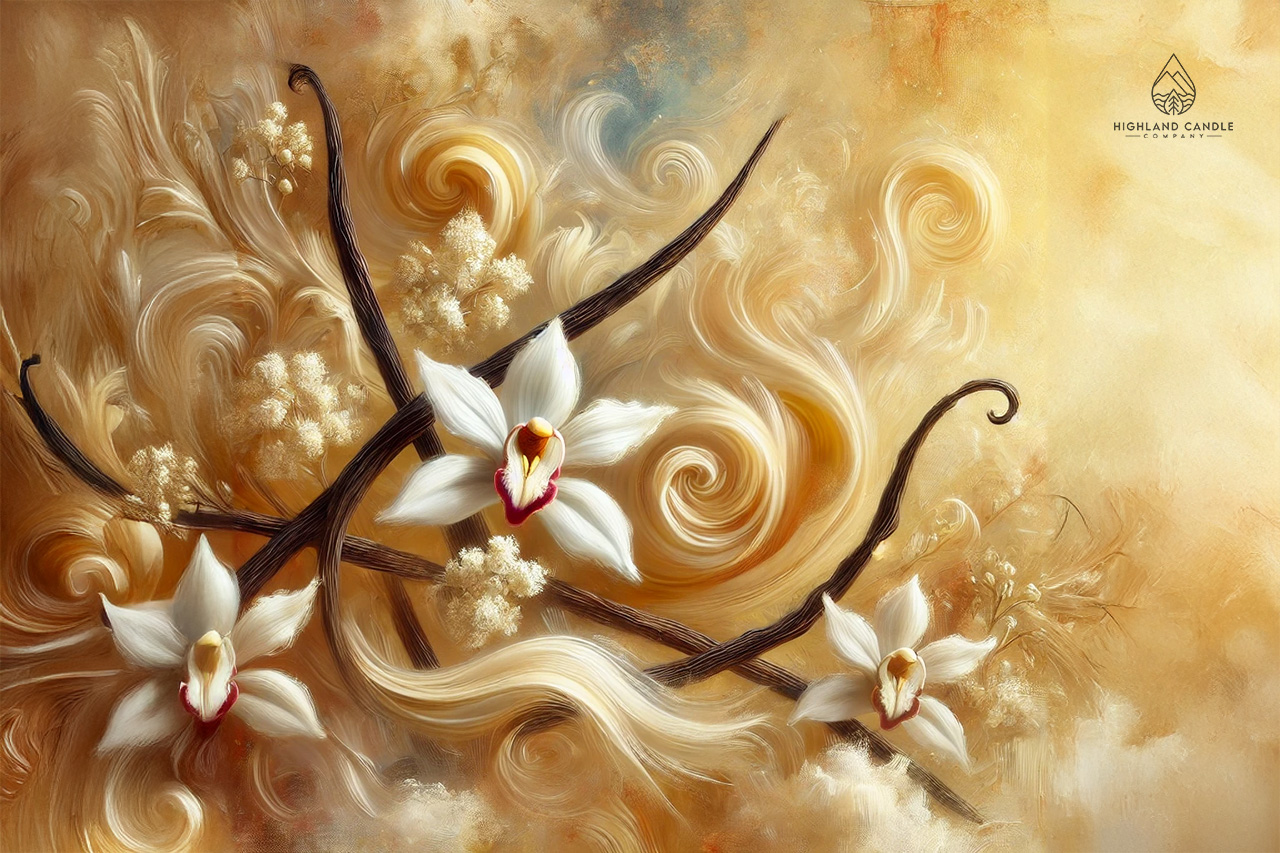
    Vanilla smells warm, sweet and creamy, with a soft richness that many people associate with custard, baking and desserts. But the fragrance of a real vanilla pod is more complex than the sugary vanilla found in some candles and perfumes.

    Split open a good cured vanilla pod and you may notice hints of wood, spice and even something slightly boozy beneath the familiar sweetness. It’s a deeper, less obviously sugary smell than vanilla icing or a bottle of artificial vanilla flavouring.

    What does vanilla actually smell like?

    The most recognisable part of vanilla’s fragrance is its warm, creamy sweetness. However, natural vanilla can have several other characteristics:

    • Sweet and creamy: The familiar vanilla aroma, often compared to custard, cream or soft caramel.
    • Warm and woody: A gentle dry quality that gives natural vanilla more depth than simple sugar-like sweetness.
    • Softly spicy: Some vanilla extracts have subtle hints of spice, making the fragrance feel warmer and more rounded.
    • Rich and slightly boozy: Certain cured pods and extracts can suggest rum, dried fruit or a little tobacco-like warmth.

    Not every vanilla has all these characteristics. Some varieties are noticeably creamy and sweet, while others are more floral, woody or fruity.

    That’s part of what makes natural vanilla so interesting. The familiar sweetness is only one aspect of its fragrance.

    Where does the smell of vanilla come from?

    Vanilla comes from the seed pods of tropical orchids belonging to the Vanilla genus. The most widely cultivated species is Vanilla planifolia.

    Freshly harvested vanilla pods don’t have the same rich fragrance as the dark, cured pods we’re familiar with. Their characteristic aroma develops through a lengthy curing process involving controlled heating, sweating and drying.

    One of the most important aromatic compounds is vanillin, which provides much of vanilla’s recognisable sweet, creamy smell.

    But vanilla isn’t just vanillin. Researchers have identified numerous other aromatic compounds in cured pods, contributing woody, fruity, floral, spicy and sometimes smoky characteristics.

    These additional compounds help explain why natural vanilla extract can smell more complex than vanillin on its own.

    Why do some vanilla fragrances smell like cake or icing?

    Vanilla is so closely associated with baking that fragrance makers often emphasise its sweetest characteristics.

    A vanilla candle might be designed to smell like fresh vanilla pods, but it could just as easily be inspired by buttercream, warm biscuits or vanilla custard.

    These dessert-like fragrances are often described as gourmand, a term used in perfumery for scents that bring to mind edible treats.

    Adding notes of caramel, sugar, cream or chocolate can make vanilla feel particularly rich and sweet.

    There’s nothing wrong with that interpretation. It simply isn’t the same as the fragrance of a natural vanilla pod.

    If you prefer a less sugary vanilla, look for combinations that include woods, spices, resins or other notes that balance its sweetness.

    Does vanilla smell like tonka bean?

    Vanilla and tonka bean are often compared because both have a warm, sweet fragrance.

    Vanilla is generally creamier and has a familiar soft sweetness, sometimes accompanied by woody or spicy undertones.

    Tonka bean has a more pronounced almond-like quality, alongside notes reminiscent of freshly cut hay and warm tobacco. Its distinctive aroma comes largely from a compound called coumarin.

    Another fragrance sometimes confused with vanilla is benzoin, an aromatic tree resin with a warm, balsamic scent that can suggest vanilla, caramel and amber.

    All three can appear in the same fragrance composition, particularly in perfumes and candles designed to smell warm, rich and comforting.

    What does vanilla smell like in candles?

    Vanilla is popular in scented candles because of its familiar sweetness and ability to complement many other fragrances.

    However, not every vanilla candle smells like a bakery.

    Some focus on creamy sweetness, while others combine vanilla with deeper notes to create something less obviously edible.

    Common combinations include:

    • Vanilla and sandalwood: Soft, creamy sweetness with a smooth woody character.
    • Vanilla and amber: A warm, resinous fragrance with a richer, more perfumed quality.
    • Vanilla and tobacco: Sweetness balanced by dry, leafy and slightly smoky notes.
    • Vanilla and citrus: A brighter fragrance that contrasts fresh citrus with a warm, sweet background.

    A vanilla-scented candle doesn’t necessarily contain natural vanilla extract. Its aroma may be created using vanillin and other fragrance ingredients.

    What matters to the final smell is how those ingredients are combined, rather than whether the fragrance is described as natural or synthetic.

    Can vanilla make candle wax turn yellow?

    Yes. Some fragrance oils containing vanillin can cause candle wax to develop a yellow, cream or brownish colour over time.

    This happens because certain fragrance ingredients can undergo chemical changes, including oxidation, which may affect their colour.

    Discolouration doesn’t automatically mean the candle has expired or become unsafe. However, its appearance alone isn’t enough to establish that everything is fine, particularly if there are other changes such as unusual oil separation.

    It’s one of the reasons candle makers need to assess how a fragrance behaves in a particular formulation, rather than judging it only by how it smells.

    Is vanilla a pleasant fragrance for the home?

    If you enjoy warm, sweet fragrances, vanilla is an obvious choice. Its familiarity makes it appealing to many people, although some find heavily sweetened versions a little overwhelming.

    Those who dislike sugary or bakery-style scents may prefer vanilla blended with dry woods, spices or resins.

    And if you’ve always thought vanilla smelled simply of cake, it’s worth smelling a real cured vanilla pod. Beneath that familiar sweetness is something warmer, woodier and considerably more interesting.