
No products in the cart.
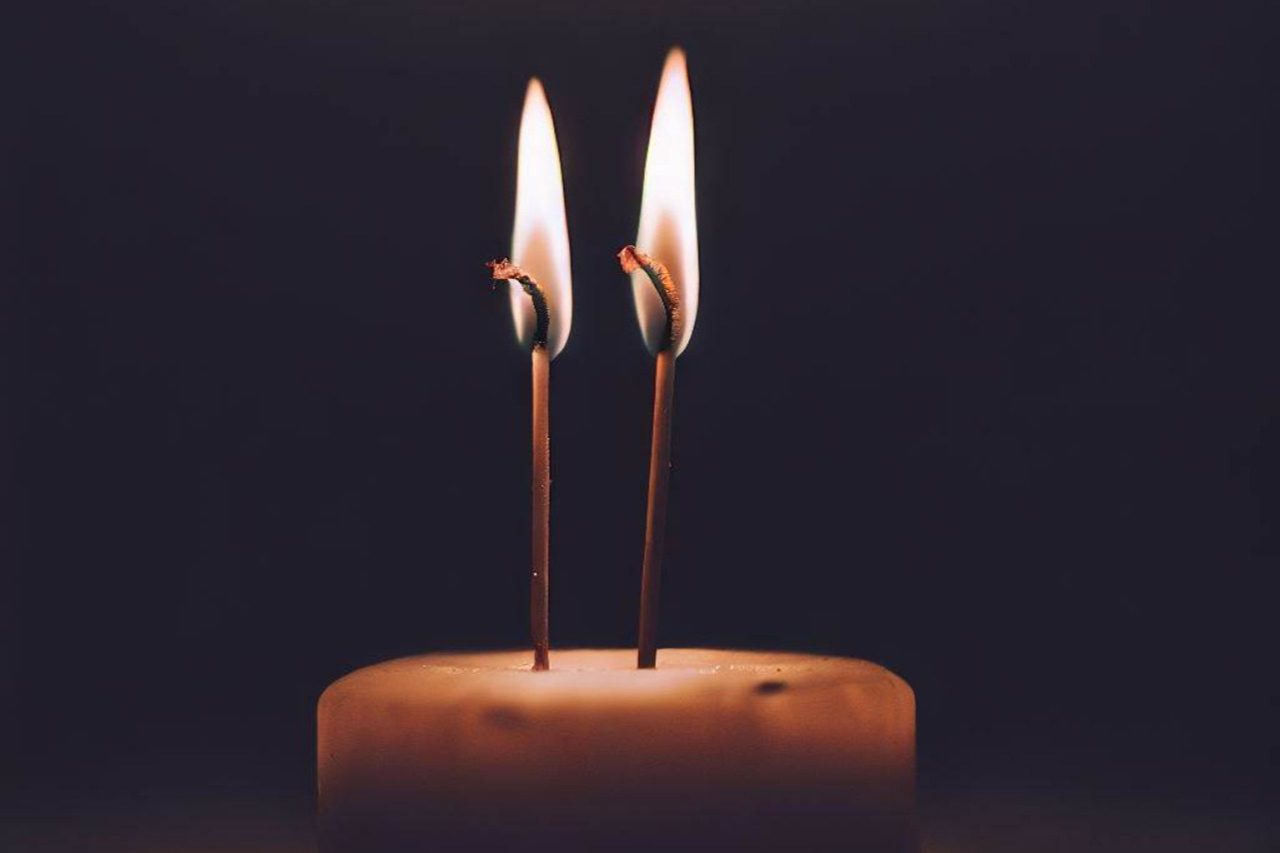
You’ve probably seen large scented candles with two or even three wicks instead of the usual one. They look impressive when lit, but there’s a practical reason candle makers sometimes choose multiple wicks.
It’s called double wicking, and it can help a wider candle burn more evenly. The idea is to spread heat across the wax rather than relying on one large flame in the centre.
But two wicks aren’t automatically better than one. In some candles they’re useful; in others they’re entirely unnecessary.
Why do some candles have two wicks?
When a candle burns, the flame melts the surrounding wax, creating a liquid surface known as the melt pool.
In a relatively narrow container, one correctly sized wick can usually provide enough heat for the candle to burn properly. As the container gets wider, however, things become more complicated.
A single wick may struggle to melt the wax evenly, leaving unused wax around the edges. Increasing the wick size might help, but an excessively large wick can produce too much heat, a tall flame or unwanted soot.
Using two smaller wicks can sometimes provide a better balance, distributing the heat more evenly across the container.
When should you use two candle wicks?
There’s no universal rule, but double wicking is worth considering when working with wider containers.
Some candle-making suppliers suggest exploring multiple wicks in containers around 9 cm in diameter or larger. That’s a starting point for testing, though, rather than a strict requirement.
The shape of the container matters too. A wide, oval candle might benefit from two wicks positioned along its length, while a round container of similar capacity could work perfectly well with one.
Wax formulation, fragrance concentration and wick construction also influence the decision.
For candle makers, the important question isn’t how many wicks look attractive. It’s which arrangement produces a safe, consistent burn.
Do double-wick candles smell stronger?
They can, but not simply because there are two flames.
Two wicks may help create a wider pool of warm wax, which can influence how fragrance is released into the room.
However, fragrance strength also depends on the ingredients, wick selection and burning conditions. A well-designed single-wick candle can provide excellent fragrance throw, while a poorly balanced double-wick candle might perform disappointingly.
If you’re curious about how this works, our guide to hot and cold candle throw explains the difference.
Do two wicks make a candle burn faster?
Not necessarily, although multiple flames can increase the rate at which wax is consumed.
Much depends on the size of the individual wicks. Two small wicks won’t necessarily consume wax at the same rate as one large wick, and a double-wick candle may contain considerably more wax than a smaller single-wick version.
It’s therefore misleading to assume that two wicks automatically mean a longer or shorter candle life.
Burn time is determined by the finished candle design and should be established through testing.
Should you light both wicks at the same time?
Yes. If a candle has been designed with two wicks, they’re intended to work together.
Lighting only one can cause the wax to melt unevenly, potentially leaving a ridge of solid wax around the unlit wick.
Before lighting, check that both wicks are at the manufacturer’s recommended length and remove any loose debris from the wax.
Light both wicks and allow the candle to burn according to its care instructions. Keep it away from draughts and never leave it unattended.
If one wick repeatedly goes out while the other continues burning, extinguish the candle, allow it to cool and check the wick. If the problem persists, contact the manufacturer rather than continuing to burn it with only one flame.
Are double-wick candles safe?
Properly designed and tested double-wick candles can be safe to use, but multiple flames require careful attention during manufacture.
The wicks need to be positioned correctly, with enough distance between them and the sides of the container. If they’re placed too close together, their combined heat can create problems. Too close to the glass, and they may cause localised overheating.
It’s also important to test the candle as it burns further down into the container, when heat can accumulate differently from the first few burns.
For anyone making candles, adding a second wick isn’t a quick fix for poor burning performance. It changes the candle’s design and requires fresh testing.
Our guide to choosing a candle wick explains more about wick sizing and testing.
Is one wick better than two?
Neither arrangement is inherently better.
A single wick is often all that’s needed for a smaller container. For larger or unusually shaped candles, two or more wicks may help achieve a more even burn.
From a customer’s point of view, the choice can also come down to appearance. There’s something appealing about a wide candle with two gently flickering flames.
But whether a candle has one wick or three, the same principle applies: it should burn safely, release its fragrance pleasantly and make good use of the wax. The number of wicks is simply one part of getting that balance right.


About author

Related posts
Black glass is soot. Trim the wick, move it off the draught, wipe the jar. It is not the fragrance’s fault. Continue reading
Wet spots are air between wax and glass. They look like a fault. They are not. The candle will still burn. Continue reading

Candles do not expire like milk. They fade, they dust, they bloom. Most of them are still fine to burn. Continue reading

Cold throw is the lid sniff. Hot throw is the room. They are not the same, and soy is often quieter on the lid. Continue reading

Usually yes, better in the hold. Wrap them, lid on, and check the airline because staff can still say no. Continue reading