
No products in the cart.

Sandalwood smells like pale wood that has been sat on a radiator. Creamy, a bit milky, quietly sweet, almost skin-like. It is not cedar (sharper, pencil-shaving) and it is not pine (resin, needles, cold). If a candle smells dusty or like a hardware shop, that is not sandalwood. That is filler wood.
The actual smell
- Creamy wood — the thing people mean by “smooth”.
- Soft milk / lactonic — especially Australian sandalwood. Mysore is rarer, rounder, more sacred-smelling.
- A dry, papery finish — like the inside of an old book, if you are lucky.
Most candle “sandalwood” is a reconstruction. Real oil is expensive and restricted. That is fine, as long as the reconstruction still feels creamy rather than sharp. Cheap ones lean cedar and then add vanilla to fake the cream. You can smell the join.
In a candle
Base note. It is what is left on the glass in the morning. Hot throw is modest — this is not a shouty scent. Cold throw is better than you think because the creaminess reads clearly on the unlit wax.
Soy-coconut is a good home for it. The wax is already a bit sweet and fatty, so sandalwood melts into it instead of sitting on top like a cheap cologne. Wick it too hot and you burn off the cream and leave a dry stick smell. Trim the wick. Let the pool reach the glass once, then you can do shorter burns.
Where it works
Bedrooms. Hallways. Anywhere you want the house to smell looked-after without announcing a theme. It is a background, not a performance.
If you want woody without the spa brochure, the hill candles are more honest about place. The Vikings sits on the darker, salted-wood side.
Quick answers
Sandalwood vs cedar? Cedar is sharper, drier, more attic. Sandalwood is cream and skin.
Why does mine smell like vanilla? Someone bulked the blend. Vanilla is cheaper than a decent sandalwood accord.


About author

Related posts
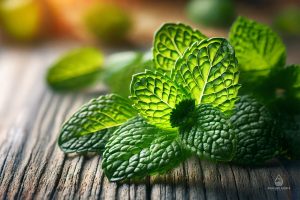
Peppermint is sweet mint and menthol, not toothpaste. Here is how it should smell in a room. Continue reading
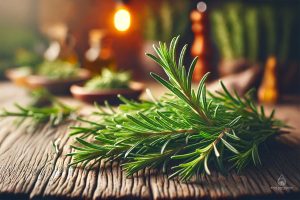
Rosemary is pine-herb and camphor, not Sunday lamb. Here is how it smells in a candle. Continue reading
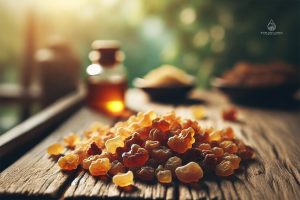
Frankincense is lemon-pine resin, not campfire. Here is what it smells like when you burn it in a jar. Continue reading

Ylang-ylang is banana-floral and pollen, not generic tropical. Here is the honest candle version. Continue reading
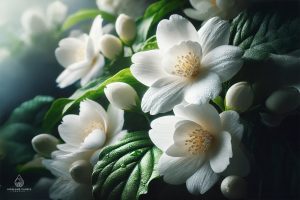
Jasmine is night flower and a bit of animal, not shampoo. Here is how it should smell in a jar. Continue reading