
No products in the cart.
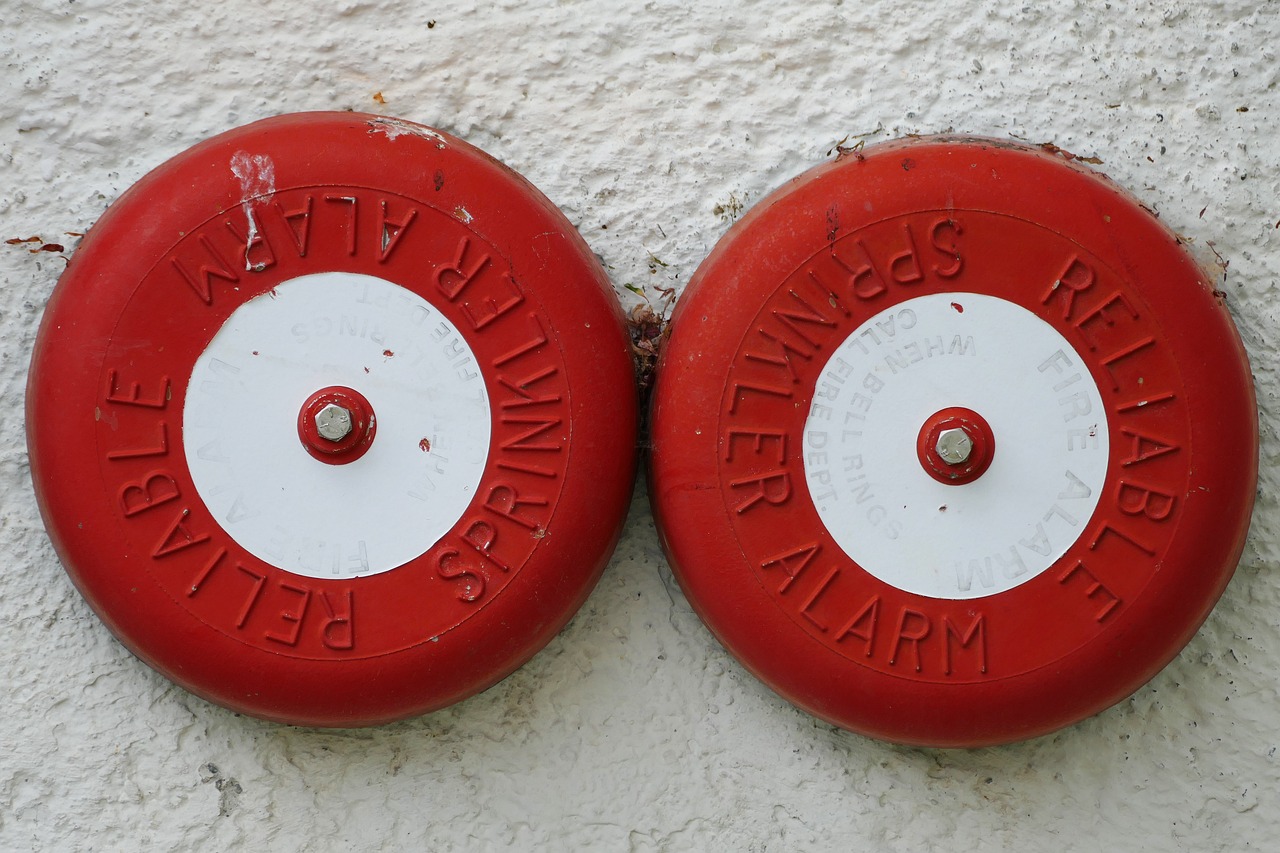
Yes, candles can set off a fire alarm, although a single candle burning normally is unlikely to cause a problem.
Smoke alarms respond to particles in the air, and burning candles can produce some of these particles. If a candle starts smoking heavily, or several candles are burning in a small space, there’s a greater chance of triggering an alarm.
It also depends on the type of detector and where the candle is positioned.
Why would a candle set off a smoke alarm?
Most household smoke alarms use optical or ionisation technology to detect particles associated with smoke. They’re designed to alert you to a possible fire, but they can also respond to particles from everyday activities.
A candle with a steady flame generally produces relatively little visible smoke. However, an excessively long wick, strong draughts or an unsuitable candle formulation can increase soot production.
Position matters too. Smoke and warm air rise, so a candle burning close to or directly beneath a detector may be more likely to trigger it.
Can blowing out a candle set off an alarm?
Surprisingly, yes. You might have noticed the little trail of smoke that rises from a candle wick just after you blow it out.
If enough of that smoke reaches a nearby detector, it could activate the alarm, even though the candle is no longer burning.
Using a candle snuffer can help reduce the smoke produced when extinguishing a candle, as well as avoiding the possibility of blowing hot wax out of the jar.
How to stop candles triggering smoke alarms
You shouldn’t need to change your smoke alarm arrangements simply to enjoy a candle. Instead, concentrate on where you place the candle and how it burns.
- Keep the wick properly trimmed. An excessively long wick can produce a larger, smokier flame.
- Choose a sensible position. Avoid placing candles directly beneath smoke detectors, near ceilings or in confined spaces.
- Keep candles away from draughts. Fans, open windows and vents can disturb the flame and increase smoke production.
- Avoid burning too many candles together. Several candles may produce more airborne particles than a single candle.
- Extinguish a smoking candle. If a flame is unusually large or continuously producing black smoke, allow the candle to cool and investigate before using it again.
Black deposits around the candle jar can also indicate excessive sooting. Our guide to why candle jars turn black explains the common causes.
What about heat alarms?
Heat alarms work differently from smoke alarms. Rather than detecting particles, they respond when the surrounding temperature reaches a certain level or rises unusually quickly.
They’re commonly installed in kitchens, where cooking fumes and steam might otherwise cause frequent smoke alarm activations.
An ordinary candle burning elsewhere in a room is unlikely to produce enough heat to activate a correctly installed heat alarm. However, that doesn’t mean a candle should ever be positioned close to one.
What should you do if your fire alarm goes off?
Always treat a sounding fire alarm seriously. Don’t assume it’s a false alarm simply because a candle is burning nearby.
If there’s smoke, fire or any uncertainty about the cause, get everyone to safety and call 999.
If you’ve established that there is no fire and the alarm was triggered accidentally, follow the alarm manufacturer’s instructions. Some alarms have a temporary hush function for unwanted activations.
Never remove batteries, disconnect or cover a smoke alarm just to stop it responding to candles. If it repeatedly activates without an obvious cause, check its maintenance instructions and seek advice about the alarm itself.
For more information, see the Scottish Fire and Rescue Service’s smoke and heat alarm guidance.
Most of the time, a properly burning candle won’t trouble your smoke alarm at all. Keep the flame steady, give it a sensible position and remember that an alarm is there to protect you, even when its timing is inconvenient.


About author

Related posts
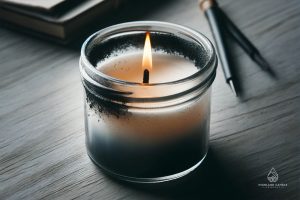
Black glass is soot. Trim the wick, move it off the draught, wipe the jar. It is not the fragrance’s fault. Continue reading

Wet spots are air between wax and glass. They look like a fault. They are not. The candle will still burn. Continue reading

Candles do not expire like milk. They fade, they dust, they bloom. Most of them are still fine to burn. Continue reading

Cold throw is the lid sniff. Hot throw is the room. They are not the same, and soy is often quieter on the lid. Continue reading

Usually yes, better in the hold. Wrap them, lid on, and check the airline because staff can still say no. Continue reading