
No products in the cart.

Yes, candles can melt in a hot car. Leave one on the passenger seat during a sunny afternoon and you might return to find the wax has softened, the surface has changed shape or the candle looks rather different from when you bought it.
It doesn’t even have to be particularly hot outside. Temperatures inside a parked car can rise surprisingly quickly when sunlight comes through the windows, making it much warmer than the surrounding air.
How hot does a car need to be to melt a candle?
That depends on the candle. Different waxes have different melting points, and some formulations begin to soften at temperatures well below those needed to melt them completely.
A car parked in direct sunlight can easily reach temperatures high enough to cause problems for certain candles, particularly those sitting on a dashboard or parcel shelf.
Glass containers won’t necessarily prevent the wax from softening either. They may contain any melted wax, but they won’t stop it responding to heat.
What happens when a candle gets too hot?
Not every candle will turn into a jar of liquid wax. Sometimes the changes are much less dramatic.
You might notice the surface becoming uneven, the wax leaning to one side or small patches appearing where it has pulled away from the glass.
Heat can also contribute to candle sweating, where tiny droplets of oil appear on the surface.
Another common change is the appearance of wet spots. These are gaps between the wax and the container that look darker or shiny from outside. They’re generally cosmetic and don’t necessarily affect how the candle burns.
More significant melting, however, can cause the wick to shift away from its original position, which is something to take seriously.
Can you still use a candle after it has melted?
Possibly, but it depends on what happened while the candle was hot.
If the only change is a small cosmetic mark or a slightly uneven surface, the candle may still be usable. However, if the wax has melted substantially, it’s important not to assume everything is fine simply because it has hardened again.
Check whether the wick is still securely positioned, the container is undamaged and there’s no visible oil separation.
A wick that has shifted towards the side of the jar can cause uneven heating during burning. Significant oily droplets or pooling may indicate that ingredients have separated.
If the wick has moved, the container is damaged or oil has visibly separated, don’t light the candle. Contact the manufacturer for advice rather than attempting to repair it yourself.
What should you do if your candle melts in the car?
First, carefully remove it from the heat and place it upright on a stable, level, heat-resistant surface. If the wax is still liquid, avoid moving the container unnecessarily.
Allow the candle to cool naturally at room temperature. Don’t put it straight into the fridge or freezer to speed things up, as sudden temperature changes can affect the wax and container.
Once everything has completely solidified, inspect the candle before considering using it again.
Avoid digging into the wax to expose a buried wick, repositioning the wick by hand or reheating the jar to make the surface look smooth. These changes can affect how the candle burns.
How to stop candles melting in your car
The simplest precaution is not to leave candles inside a parked car for longer than necessary, particularly in direct sunlight.
If you’re bringing a candle home from a shop, keep it upright and protected from the sun during the journey. A shaded bag in the passenger compartment is preferable to leaving it on the dashboard or parcel shelf.
Remember that the boot can become hot too, especially if the car is parked for several hours.
Once home, store your candles somewhere cool and dry, away from radiators and sunny windowsills.
A little care during the journey should be enough to prevent most heat-related problems. And if your candle does arrive home looking rather worse for wear, check it properly before lighting it. A slightly imperfect surface is one thing; an unsafe wick or separated fragrance is quite another.


About author

Related posts

It skins over quickly. You can move the jar in a few hours. Do not judge the scent until it has cured. Continue reading
Do not microwave a candle in its jar. Metal tabs, cracked glass, and a very bad smell if the fragrance cooks. Continue reading
Overheat soy and you cook the scent, yellow the wax, and pour a jar that never quite throws. Continue reading
Black glass is soot. Trim the wick, move it off the draught, wipe the jar. It is not the fragrance’s fault. Continue reading
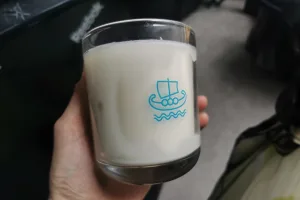
Wet spots are air between wax and glass. They look like a fault. They are not. The candle will still burn. Continue reading