Category: Smells like…

  • What Does Cinnamon Smell Like?

    What Does Cinnamon Smell Like?

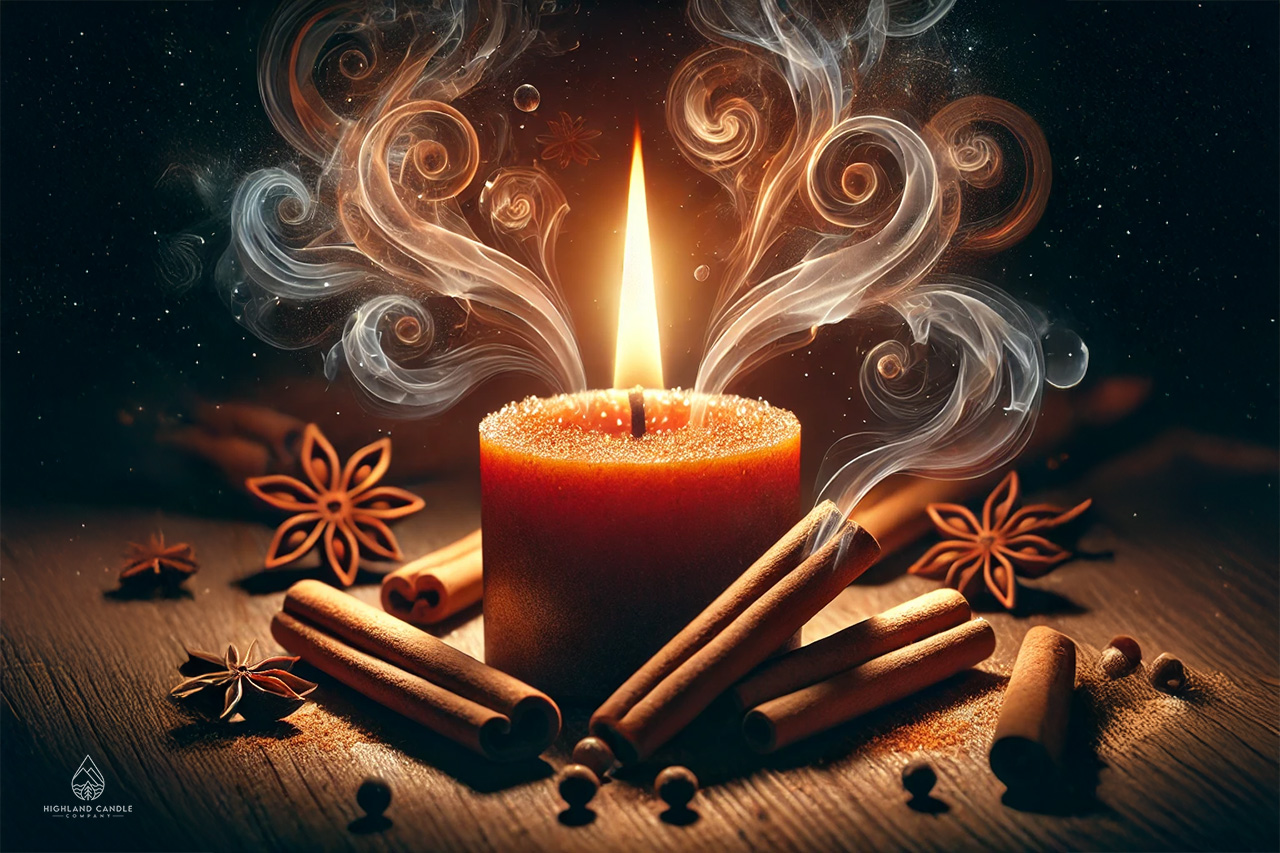
    Cinnamon has a warm, sweet and spicy fragrance with a distinctive woody character. It’s the familiar smell of cinnamon sticks, freshly ground spice and countless winter recipes, but the natural aroma is a little different from the sugary cinnamon scents often found in candles.

    Smell a cinnamon stick closely and you’ll notice something dry and aromatic beneath the sweetness. There’s a gentle woody quality, a little sharpness and a warmth that makes cinnamon instantly recognisable.

    What does cinnamon actually smell like?

    Cinnamon is best described as a sweet, woody spice with a warm, slightly peppery character.

    Its main fragrance characteristics include:

    • Warm spice: The unmistakable cinnamon aroma, with a sharpness that makes it seem warming even without the addition of sugar.
    • Natural sweetness: A soft, sweet impression that helps distinguish cinnamon from more savoury spices.
    • Dry wood: An earthy, bark-like quality that’s particularly noticeable when smelling whole cinnamon sticks.
    • Subtle aromatic notes: Depending on the variety, cinnamon may have hints of clove, gentle florals or other warm spices.

    The overall impression is warm and fragrant rather than particularly heavy. Although cinnamon is closely associated with baking, the spice itself has a drier, more woody aroma than cinnamon buns or Christmas biscuits.

    Where does cinnamon’s distinctive smell come from?

    Cinnamon comes from the inner bark of trees belonging to the Cinnamomum genus.

    After harvesting, the bark is dried, forming the curled pieces we recognise as cinnamon sticks. Grinding the bark exposes more of its aromatic material, which is why freshly ground cinnamon can have such a pronounced fragrance.

    Much of cinnamon’s characteristic smell comes from a naturally occurring compound called cinnamaldehyde.

    This is largely responsible for the warm, sweet and spicy aroma associated with cinnamon.

    Other aromatic compounds contribute additional characteristics. Eugenol, for example, is associated with a clove-like scent and can be found in cinnamon, particularly in oil obtained from its leaves.

    The proportions of these compounds differ between cinnamon species and the parts of the plant used, helping explain why cinnamon doesn’t always smell exactly the same.

    What’s the difference between Ceylon cinnamon and cassia?

    Two of the best-known types of cinnamon are Ceylon cinnamon and cassia.

    Ceylon cinnamon, also called true cinnamon, comes from Cinnamomum verum. It’s generally associated with a softer, more delicate aroma, with gentle sweetness and subtle woody or floral qualities.

    Cassia cinnamon is a name used for several related types of cinnamon, including Chinese cassia. These are often stronger and more pungent, with a bold, spicy character.

    Cassia is commonly sold as cinnamon in supermarkets, although the species used can vary between products and countries.

    Neither variety is automatically better. If you prefer a strong, immediately recognisable cinnamon fragrance, you may enjoy cassia. If you prefer something more delicate, Ceylon cinnamon might be more appealing.

    Does cinnamon smell like cloves?

    Cinnamon and cloves are frequently combined in winter fragrances, but they have noticeably different aromas.

    Cinnamon is generally sweeter, woodier and warmer, with a familiar spicy sharpness.

    Clove is more pungent, with a distinctive medicinal and slightly woody character. Its aroma is strongly associated with eugenol, a compound also present in some cinnamon oils.

    When used together, the two spices complement one another. Cinnamon provides a sweeter warmth, while clove adds a deeper and sharper spicy quality.

    What does cinnamon smell like in candles?

    Cinnamon is a popular candle fragrance, particularly in autumn and winter collections.

    However, a cinnamon-scented candle doesn’t necessarily smell like a jar of ground cinnamon.

    Some fragrances aim to recreate the spice itself, with dry woody notes and a noticeable warmth. Others combine cinnamon with sweet ingredients to suggest baking, desserts or festive drinks.

    Common combinations include:

    • Cinnamon and orange: Bright citrus balanced by warm spice, a familiar combination in festive fragrances.
    • Cinnamon and clove: A richer, more intensely spiced fragrance.
    • Cinnamon and vanilla: Soft sweetness that can bring to mind biscuits, cakes or warm desserts.
    • Cinnamon and cedarwood: A drier, more woody interpretation that puts less emphasis on sugary notes.

    If you enjoy the sweeter combinations, our guide to what vanilla smells like explores another familiar fragrance that can be interpreted in very different ways.

    Why do some cinnamon candles smell like Christmas baking?

    Cinnamon has become so closely associated with Christmas that many candle fragrances deliberately recreate familiar seasonal smells rather than cinnamon bark alone.

    Adding vanilla, sugar-like notes, apple, orange or clove can create the impression of something baking in the oven or a warm festive drink.

    This style of fragrance is often described as gourmand, meaning it evokes food or edible treats.

    There’s nothing wrong with a sweet cinnamon candle, but it’s useful to know the difference. If you’re looking for something closer to the natural spice, choose a fragrance that emphasises bark, dry wood and spice rather than icing, caramel or baked goods.

    Is cinnamon a pleasant fragrance for the home?

    If you enjoy warm, spicy fragrances, cinnamon is an obvious choice. Its familiar character makes it particularly popular during colder months, although there’s no reason it can’t be enjoyed throughout the year.

    Some people prefer the sweeter cinnamon blends associated with baking. Others enjoy the drier, more aromatic smell of the bark itself.

    For a good example of cinnamon in its simplest form, try smelling a freshly broken cinnamon stick. Beneath the familiar warmth is a surprisingly woody fragrance, with considerably less sweetness than the candles and desserts it often inspires.

  • What Does Pine Smell Like?

    What Does Pine Smell Like?

    Pine has a fresh, woody smell with a distinctive sharpness from its needles and resin. There’s something slightly citrusy about it, too, particularly when you crush a few needles between your fingers. It’s a familiar scent, often associated with Christmas trees, woodland walks and the unmistakable smell of freshly cut timber.

    But there’s more to pine than the fragrance of a Christmas tree. Walk through a pinewood after rain and you’ll notice the damp earth, fallen needles and woody scents mixing with the resinous smell of the trees. It’s quite different from the strong, almost soapy pine fragrance found in some household cleaning products.

    What gives pine its smell?

    Much of pine’s recognisable aroma comes from naturally occurring compounds called terpenes, particularly alpha-pinene and beta-pinene. These are found in the needles, resin and other parts of pine trees.

    Fresh pine needles tend to smell bright, green and slightly citrusy. Break a small twig and the resin adds a stronger, almost turpentine-like quality. The wood itself has a gentler, drier scent.

    Not every pine tree smells exactly the same, of course. Different species have their own aromatic characteristics, and the smell of fresh needles can be noticeably different from that of dried branches or cut timber.

    Does pine smell like a Christmas tree?

    It certainly can, although here’s something you might not have considered: many of the trees sold at Christmas aren’t actually pines.

    Nordmann fir and Norway spruce are popular Christmas trees in Britain, and both have their own distinctive scent. Spruce often has a particularly fresh, sharp aroma, while fir can smell a little softer and sweeter. Pine generally has a more noticeable resinous quality.

    So when someone describes a fragrance as smelling like Christmas trees, they might be thinking of pine, fir, spruce or a combination of all three.

    The smell of pine in the Scottish Highlands

    Scots pine is Scotland’s national tree and an important part of the ancient Caledonian pinewoods. Some of the finest surviving examples of these native forests can be found around the Cairngorms.

    There’s a particular character to these old pinewoods, with their tall, often twisted trees, rough reddish bark and carpets of fallen needles. On a warm day, the resinous scent can be especially noticeable.

    It’s worth remembering that not every conifer forest in the Highlands is a pinewood. Many commercial plantations contain Sitka spruce, which has a different scent altogether. Both can give you that familiar woodland smell, but they’re not quite the same experience.

    What does pine smell like in a candle?

    Pine works particularly well in candles if you enjoy fresh, woody fragrances without too much sweetness. Depending on the blend, it can smell like newly cut branches, a Christmas tree or something closer to a quiet woodland.

    It also combines nicely with other fragrances. Cedarwood adds a drier, warmer woody character, while citrus can bring out pine’s brighter notes. For a particularly fresh combination, pine can also be paired with eucalyptus.

    Some pine fragrances lean heavily towards the sharp, resinous side, which can remind people of cleaning products. Others balance those notes with softer woods and earthy scents. Neither is necessarily wrong; it simply depends on the fragrance you’re looking for.

    How is pine different from cedarwood?

    Although both are woody scents, they’re quite easy to tell apart once you’ve smelled them side by side.

    Pine is generally fresher, greener and more resinous. Cedarwood is usually softer and drier, sometimes with a slightly pencil-shaving or smoky quality, depending on the variety.

    If you’re trying to imagine the difference, think of freshly crushed pine needles compared with the smell of a wooden chest or freshly sharpened pencils.

    And if you ever find yourself walking through a pinewood, pick up a fallen twig and gently crush a few of its needles. It’s one of the simplest ways to discover what real pine smells like, without a candle or air freshener getting involved.

  • What Does Amber Smell Like?

    What Does Amber Smell Like?

    Amber has a warm, sweet and resinous fragrance, often described as a mixture of vanilla, soft woods and rich balsamic notes. Depending on the blend, it can also have a slightly powdery, spicy or leathery character.

    It’s one of the most recognisable fragrance notes in perfumery, yet there’s something unusual about it: the amber scent found in perfumes and candles doesn’t usually come from amber at all.

    Instead, it’s a fragrance created by combining several aromatic ingredients to produce that familiar warm, golden character.

    What does amber actually smell like?

    Amber is best described as a warm, sweet and resinous fragrance with soft woody undertones.

    Its most recognisable characteristics include:

    • Warm resins: A rich, balsamic quality that provides the foundation of many traditional amber fragrances.
    • Vanilla-like sweetness: A soft, creamy warmth that gives amber its familiar comforting character.
    • Woody notes: A gentle dryness that balances the sweeter ingredients.
    • Powdery softness: Some amber blends have a smooth, almost velvety quality.
    • Spicy or leathery undertones: Darker amber fragrances may have hints of spice, tobacco or leather.

    Not every amber fragrance contains all these notes. Some are light and softly sweet, while others are dark, resinous and considerably more intense.

    Where does amber fragrance come from?

    Despite the name, amber fragrances aren’t usually made from the golden fossilised tree resin found in jewellery.

    In perfumery, an amber accord is a combination of aromatic ingredients designed to create a particular fragrance.

    Traditional amber accords often use three important components:

    • Labdanum: An aromatic resin obtained from rockrose shrubs, particularly Cistus ladanifer. It has a warm, resinous scent with leathery, balsamic and sometimes slightly animalic qualities.
    • Benzoin: A fragrant resin with sweet, vanilla-like and balsamic characteristics, sometimes accompanied by hints of spice.
    • Vanilla or vanillin: Adds the familiar creamy sweetness that softens and rounds out the deeper resin notes.

    Perfumers can adjust the proportions or introduce other ingredients, including woods, musks and spices, to create very different interpretations.

    There’s no single formula that every amber fragrance must follow. The name describes a particular style of scent rather than one specific raw material.

    Does amber smell like vanilla?

    There’s certainly a similarity, particularly in sweeter amber fragrances.

    Vanilla is generally creamy, sweet and familiar, sometimes with woody or spicy undertones.

    Amber often includes that sweetness but adds a deeper, more resinous quality. It may also have powdery, leathery or subtly spicy notes.

    If vanilla reminds you of a warm, creamy sweetness, amber is generally richer and less obviously edible.

    Our guide to what vanilla smells like explores the differences between natural vanilla and sweeter fragrance interpretations.

    What’s the difference between amber and ambergris?

    Although their names are similar, amber and ambergris are completely different fragrance materials.

    Amber is a constructed fragrance accord, usually associated with warm resins, vanilla and soft woody notes.

    Ambergris is a rare substance formed in the digestive system of sperm whales. Historically valued in perfumery, aged ambergris can have a complex marine, musky and slightly earthy aroma.

    Modern perfumers often use manufactured aromatic materials to recreate certain ambergris-like characteristics.

    Amber and ambergris can both contribute depth to a fragrance, but they shouldn’t be confused. An amber-scented candle doesn’t imply the presence of ambergris.

    Does amber smell like frankincense?

    Both fragrances have resinous qualities, but they create different impressions.

    Frankincense is often fresher and drier, with distinctive pine-like, citrus and incense notes.

    Amber is generally sweeter, softer and warmer, with more emphasis on balsamic richness and vanilla.

    Some fragrances combine the two, using frankincense to introduce a fresher, more aromatic quality to a warm amber base.

    You can read more in our article about what frankincense smells like.

    What does amber smell like in candles?

    Amber is a popular candle fragrance because of its warm, rich character and its ability to combine with many other scents.

    A traditional amber candle might emphasise vanilla and balsamic resins, while a modern interpretation could be drier, woodier or more musky.

    Some common fragrance combinations include:

    • Amber and sandalwood: Smooth, creamy woods with warm resinous depth.
    • Amber and vanilla: A sweeter, softer fragrance with a cosy character.
    • Amber and oud: Darker woods and resinous notes, sometimes with leathery undertones.
    • Amber and citrus: Bright freshness contrasting with a warm, sweet base.

    Amber is often used as a base note in perfumery, although that doesn’t guarantee a particular fragrance strength or duration in a candle.

    The finished aroma depends on how the fragrance has been composed and how the candle performs.

    Is amber a pleasant fragrance for the home?

    If you enjoy warm, woody and gently sweet fragrances, amber is well worth exploring.

    It’s particularly appealing to people who find fresh citrus fragrances a little too sharp or floral perfumes too sweet.

    Some amber candles are soft and understated. Others are rich, heavily perfumed and almost incense-like. Neither is necessarily more authentic, because amber itself is a fragrance interpretation rather than the smell of one particular substance.

    Perhaps the easiest way to imagine it is as vanilla with some of the sweetness taken away and replaced by warm resin, soft wood and a little spice.

    That combination is what gives amber its distinctive character.

  • What Does Sandalwood Smell Like?

    What Does Sandalwood Smell Like?

    Sandalwood has a soft, creamy and gently woody fragrance, with a subtle sweetness that can almost seem milky. Unlike the sharp scent of freshly cut pine or cedar, sandalwood is smooth, warm and understated.

    It’s one of the most distinctive woods used in perfumery, although its aroma can be surprisingly difficult to describe. Imagine the smell of polished wood, softened by a little cream and gentle spice. That’s reasonably close to the character of sandalwood.

    Some varieties are richer and almost buttery, while others have a drier, fresher quality.

    What does sandalwood actually smell like?

    Sandalwood is best described as a creamy, warm wood fragrance with a soft sweetness and occasional spicy undertones.

    Its main characteristics include:

    • Creamy wood: The most recognisable quality, combining gentle woodiness with an unusually smooth, almost velvety character.
    • Milky softness: A subtle impression of warm milk or cream, particularly noticeable in some sandalwood oils.
    • Gentle sweetness: A natural warmth that can sometimes suggest vanilla, without necessarily smelling sugary.
    • Soft spice: Some varieties have faint peppery, nutty or warm aromatic notes.
    • Dry wood: A quieter woody undertone that gives the fragrance structure without making it particularly sharp.

    The balance of these characteristics varies. Sandalwood can smell rich and creamy in one perfume, yet much drier and more aromatic in another.

    Where does sandalwood come from?

    Sandalwood fragrance comes from the aromatic heartwood of certain trees belonging to the Santalum genus.

    Unlike fragrances extracted from flowers or leaves, sandalwood oil is obtained from the wood itself, usually through steam distillation.

    The oil contains aromatic compounds called santalols, which contribute much of its distinctive woody character.

    Sandalwood has a long history of use in incense, religious traditions and perfumery, particularly in South Asia.

    Natural sandalwood oil can be expensive because the trees take years to develop valuable aromatic heartwood. Historic overharvesting has also created conservation concerns for some species and populations.

    Today, sandalwood comes from a variety of sources, including cultivated trees and responsibly managed production systems.

    What’s the difference between Indian and Australian sandalwood?

    Two important sandalwood species used in fragrance production are Santalum album and Santalum spicatum.

    Indian sandalwood

    Indian sandalwood, Santalum album, is traditionally associated with the rich, creamy sandalwood fragrance found in classical perfumery.

    Its aroma is often described as smooth, warm and almost buttery, with gentle sweetness and soft woody notes.

    Mysore sandalwood, historically sourced from southern India, is particularly famous for this character.

    However, Santalum album is also cultivated elsewhere, including Australia. The species and quality of the oil matter more than the geographical name alone.

    Australian sandalwood

    Australian sandalwood, Santalum spicatum, has a somewhat different fragrance profile.

    It’s often described as drier and more distinctly woody, although it can still have noticeable creamy, milky and spicy qualities.

    Some oils have a fresher character, while others are warmer and richer.

    Neither species has one completely fixed aroma. Growing conditions, the age of the wood and the extraction process can all influence the finished oil.

    Does sandalwood smell like cedarwood or pine?

    Although all three are woody fragrances, they have noticeably different characters.

    Sandalwood is generally smooth, creamy and softly sweet. Its warmth is often more noticeable than any sharp, freshly cut wood smell.

    Cedarwood tends to be drier, sharper and more pencil-like, sometimes with slightly smoky or resinous undertones.

    Pine is usually fresher and more aromatic, with the distinctive smell of evergreen needles and resin.

    If pine reminds you of a forest and cedar of freshly sharpened pencils, sandalwood is closer to polished wood with a soft, creamy warmth.

    Does sandalwood smell like oud?

    Sandalwood and oud are both important woody fragrance notes, but they have very different personalities.

    Sandalwood is usually smooth, creamy and gentle.

    Oud is often darker and more complex, with earthy, leathery, smoky or resinous characteristics. Certain natural oud oils can also have pronounced animalic notes.

    The two are sometimes combined in perfumes and candles, with sandalwood bringing softness to oud’s deeper character.

    We’ve explored the differences in our guide to what oud smells like.

    What does sandalwood smell like in candles?

    In scented candles, sandalwood is often used to create a warm, soft woody fragrance.

    Sometimes it’s the main scent, but it also works well alongside other ingredients that complement its creamy character.

    Popular combinations include:

    • Sandalwood and vanilla: A soft, sweet fragrance with creamy woody depth.
    • Sandalwood and amber: Warm woods combined with resinous, balsamic notes.
    • Sandalwood and rose: Floral sweetness supported by smooth wood.
    • Sandalwood and bergamot: Fresh citrus contrasting with gentle woody warmth.

    A sandalwood-scented candle doesn’t necessarily contain natural sandalwood essential oil.

    Many fragrance compositions use manufactured sandalwood aroma ingredients, sometimes alongside natural oil, to recreate or emphasise particular characteristics.

    These ingredients can produce convincing creamy and woody fragrances. Some interpretations are quite faithful to natural sandalwood, while others are deliberately sweeter, drier or more intensely perfumed.

    The quality of a sandalwood fragrance can’t be determined simply by whether it contains natural oil.

    Why do some sandalwood fragrances smell like vanilla?

    Sandalwood has a naturally soft sweetness, which can make certain fragrances seem almost vanilla-like.

    Perfumers also frequently combine sandalwood notes with vanilla, musks or other creamy ingredients to emphasise that warmth.

    This can create a particularly smooth fragrance, although a heavily sweetened blend may smell quite different from the natural wood.

    If you prefer a more recognisably woody sandalwood scent, look for descriptions that emphasise dry wood, subtle spice and creamy warmth rather than vanilla or sugary notes.

    Is sandalwood a pleasant fragrance for the home?

    If you enjoy warm, woody fragrances without the sharper character of pine or cedar, sandalwood is an appealing choice.

    It’s often used in fragrances designed to feel understated rather than particularly sweet or floral.

    Some sandalwood blends are light and creamy, while others are richer and more perfumed. The finished character depends on the ingredients surrounding it.

    What makes sandalwood distinctive is that unusual combination of woodiness and softness. It smells like wood, certainly, but with a smooth, almost milky quality that sets it apart from most other woody fragrances.

  • What Does Patchouli Smell Like?

    What Does Patchouli Smell Like?

    Patchouli has a deep, earthy fragrance with woody, slightly sweet and musky undertones. It’s often compared to damp soil, dried leaves or the smell of a forest after rain, although there’s a warmth beneath its earthiness that makes it quite distinctive.

    For some people, patchouli immediately brings to mind incense shops and the perfumes of the 1960s and 1970s. Others recognise it from modern fragrances, where it can be surprisingly smooth, woody and sophisticated.

    It’s a scent that tends to divide opinion. Some people love its rich, earthy character, while others find it too musty or intense.

    What does patchouli actually smell like?

    Patchouli is best described as an earthy, woody fragrance with a gentle sweetness and occasional spicy or camphorous notes.

    Its most recognisable characteristics include:

    • Damp earth: The distinctive smell of soil, moss and fallen leaves, particularly noticeable in traditional patchouli oils.
    • Dry wood: A warm, slightly aged woody character that gives the fragrance depth.
    • Sweet and balsamic notes: A subtle richness that can sometimes suggest dark chocolate or warm resin.
    • Herbal freshness: Certain oils have a green, slightly camphorous quality, particularly when freshly distilled.
    • Musky undertones: A soft, lingering quality that makes patchouli feel richer than a straightforward herbal fragrance.

    The balance varies considerably. Some patchouli fragrances are strongly earthy, while others are smoother, sweeter or more woody.

    Where does patchouli come from?

    Despite its woody fragrance, patchouli doesn’t come from a tree.

    It’s obtained from the leaves of Pogostemon cablin, a tropical plant belonging to the mint family. The plant is associated with South and Southeast Asia and is cultivated commercially for its aromatic oil.

    Patchouli essential oil is generally produced by steam distilling harvested leaves that have been dried before processing.

    The oil contains numerous aromatic compounds, including patchoulol, which contributes to its characteristic fragrance.

    Patchouli has been used in perfumery for generations. During the nineteenth century, its scent became associated with imported fabrics and shawls, and it later gained a particularly strong connection with the counterculture of the 1960s.

    Today, it appears in a wide range of perfumes, from traditional earthy compositions to modern floral and woody fragrances.

    Why does patchouli sometimes smell musty?

    Patchouli’s earthy character can remind people of damp cellars, old wood or soil after rainfall.

    That’s partly why the fragrance is so divisive. Notes that seem wonderfully natural and atmospheric to one person may smell stale or musty to another.

    But patchouli isn’t necessarily a dirty or overpowering fragrance.

    The type of oil, its processing and the surrounding fragrance ingredients all influence the result. Some perfumers deliberately use refined patchouli materials that retain its woody warmth while reducing the stronger earthy or camphorous notes.

    Neither style is automatically better. They simply emphasise different aspects of the same fragrance.

    Does patchouli smell better as it ages?

    Interestingly, patchouli essential oil is sometimes valued for how its fragrance develops over time.

    Freshly distilled oil can have sharp, green or slightly harsh characteristics. With suitable ageing and storage, some oils develop a richer, smoother aroma, with softer woody and balsamic notes.

    This is one reason descriptions of patchouli essential oil don’t always agree. A newly distilled oil may smell noticeably different from an aged example.

    However, ageing doesn’t guarantee improvement in every oil or finished fragrance. Storage conditions and changes in chemical composition still matter.

    Does patchouli smell like sandalwood or vetiver?

    Patchouli is sometimes confused with other earthy and woody fragrances, particularly sandalwood and vetiver.

    Sandalwood is generally creamier, softer and more gently sweet. It has a smooth woody character without patchouli’s pronounced damp-earth quality.

    Vetiver is also earthy, but often has a drier, grassier fragrance with smoky, root-like or slightly bitter notes.

    Patchouli tends to sit somewhere between damp earth, aged wood and warm resin, with a sweetness that distinguishes it from many other earthy scents.

    For a closer comparison, read our guide to what sandalwood smells like.

    What does patchouli smell like in candles?

    In scented candles, patchouli is often used to introduce earthy warmth and woody depth.

    It can be the main fragrance, producing a distinctly earthy candle, or it can play a supporting role in a more complex blend.

    Some common combinations include:

    • Patchouli and sandalwood: Earthy warmth softened by creamy wood.
    • Patchouli and vanilla: Deep, woody notes balanced by gentle sweetness.
    • Patchouli and rose: Rich floral sweetness with an earthy background.
    • Patchouli and bergamot: Fresh citrus contrasting with darker, woody notes.

    Patchouli is frequently described as a base note in perfumery because of its lasting character. However, that doesn’t guarantee how strongly a patchouli-scented candle will smell or how long its fragrance will remain noticeable.

    A candle labelled as patchouli-scented may contain natural patchouli oil, manufactured aroma ingredients or a combination of materials designed to recreate its distinctive character.

    Does patchouli smell like cannabis?

    Some people associate patchouli with cannabis, partly because the two fragrances became culturally linked during the 1960s and 1970s.

    There can also be similarities in their earthy, herbal or slightly musky impressions.

    However, they have different aromatic profiles. Patchouli is generally woodier, warmer and more balsamic, while cannabis aromas can have a wider range of herbal, pungent or skunky characteristics.

    Patchouli doesn’t inherently smell like cannabis, although certain fragrance combinations may remind people of it.

    Is patchouli a pleasant fragrance for the home?

    That depends very much on your taste.

    If you enjoy earthy, woody and resinous fragrances, patchouli is worth exploring. It can create a rich, warm scent without relying on heavy sweetness or floral notes.

    On the other hand, people who prefer light citrus or fresh linen fragrances may find traditional patchouli rather intense.

    If you’ve disliked patchouli in the past, a softer blend with sandalwood or citrus might be worth smelling. These combinations can bring out its woody side without emphasising the more pronounced earthy character.

    What makes patchouli interesting is that it doesn’t smell like a typical flower or herb. Although it comes from a leafy tropical plant, its fragrance brings to mind damp woodland, warm wood and rich earth.

    It’s an unusual combination, and one that’s difficult to mistake once you’ve become familiar with it.

  • What Does Eucalyptus Smell Like?

    What Does Eucalyptus Smell Like?

    Eucalyptus has a strong, fresh and camphorous scent with green, slightly woody undertones. It’s often described as cooling or medicinal, largely because it reminds people of mentholated balms, vapour rubs and other familiar products.

    But the aroma of eucalyptus leaves is more interesting than that association suggests. Crush a fresh leaf and you may notice a sharp, almost mint-like freshness, followed by something distinctly herbal and woody.

    Not all eucalyptus smells alike, either. Some varieties have a softer, sweeter character, while others smell surprisingly lemony.

    What does eucalyptus actually smell like?

    The classic eucalyptus scent is fresh, penetrating and slightly medicinal, with a distinctive green quality.

    Its main characteristics include:

    • Camphorous freshness: The sharp, almost cooling aroma most people immediately associate with eucalyptus.
    • Green and herbal: A fresh leafy quality that gives eucalyptus a more natural character than a simple menthol fragrance.
    • Woody undertones: A subtle dryness beneath the stronger aromatic notes.
    • Gentle sweetness: Some eucalyptus oils have a faintly sweet or balsamic quality that softens their sharpness.

    Some people find eucalyptus wonderfully fresh, while others think it smells too much like cough sweets or medicinal preparations.

    Neither impression is particularly surprising. Its distinctive fragrance is widely used in both traditional aromatic products and modern home fragrances.

    Why does eucalyptus have such a distinctive smell?

    Eucalyptus leaves contain aromatic oils that are released when the leaves are crushed or bruised.

    One of the most important compounds in many eucalyptus species is 1,8-cineole, also known as eucalyptol.

    This contributes much of the familiar sharp, fresh and camphorous aroma associated with eucalyptus.

    Other naturally occurring compounds add green, woody, fruity or slightly sweet characteristics.

    The proportions vary between species, growing conditions and extraction methods. That’s why two bottles labelled eucalyptus essential oil may smell noticeably different.

    Do all eucalyptus varieties smell the same?

    There are hundreds of eucalyptus species, and their aromatic characteristics aren’t identical.

    Three examples are particularly interesting:

    Eucalyptus globulus

    Eucalyptus globulus, commonly known as blue gum, is one of the best-known sources of eucalyptus essential oil.

    It has the familiar strong, penetrating aroma associated with eucalyptus, with camphorous freshness and woody, herbal notes.

    Its essential oil is often rich in 1,8-cineole, helping explain its distinctive smell.

    Eucalyptus radiata

    Eucalyptus radiata also has a fresh, camphorous fragrance, but is often described as slightly softer and less harsh than the classic blue gum aroma.

    It can have a more rounded character, with gentle woody or subtly sweet undertones.

    Lemon eucalyptus

    Lemon eucalyptus, now botanically classified as Corymbia citriodora, is quite different.

    Its leaves produce an oil rich in citronellal, giving it a strong lemony fragrance with green, citronella-like characteristics.

    It smells considerably more citrusy than the eucalyptus aroma most people recognise from vapour rubs.

    Does eucalyptus smell like peppermint or rosemary?

    All three fragrances can have a fresh, aromatic quality, but they’re quite different.

    Eucalyptus is generally sharper and more camphorous, with a distinctive green, medicinal character.

    Peppermint has a recognisable minty sweetness and a pronounced menthol aroma. It often smells more confectionery-like than eucalyptus.

    Rosemary is greener and more savoury, combining herbal notes with pine-like and camphorous characteristics.

    Eucalyptus and rosemary share some aromatic compounds, which helps explain their similarities. However, rosemary retains a more distinctly culinary-herbal character.

    We’ve explored this further in our guide to what rosemary smells like.

    What does eucalyptus smell like in candles?

    In scented candles, eucalyptus is often used to create a fresh, green and aromatic fragrance.

    Some interpretations emphasise its strong, medicinal character, while others soften it with additional herbal, citrus or woody notes.

    Popular fragrance combinations include:

    • Eucalyptus and peppermint: A particularly fresh, minty and camphorous combination.
    • Eucalyptus and lavender: Sharp herbal freshness balanced by softer floral notes.
    • Eucalyptus and lemon: A bright, citrus-led fragrance with an aromatic green background.
    • Eucalyptus and cedarwood: Fresh eucalyptus contrasted with dry, woody notes.

    A eucalyptus-scented candle doesn’t necessarily contain natural eucalyptus essential oil. The fragrance may be created using manufactured aroma ingredients, natural oils or a combination of both.

    And although eucalyptus is often described as a top note in perfumery, that doesn’t establish how strongly or how long a particular candle will release its scent.

    Why does eucalyptus sometimes smell like cough sweets?

    Eucalyptus has been used in medicinal and mentholated products for generations, so many people associate its smell with cough sweets, vapour rubs and similar preparations.

    Some fragrances deliberately emphasise these familiar characteristics, creating a very sharp and penetrating eucalyptus aroma.

    Others bring out softer green or woody qualities, making the fragrance feel closer to fresh leaves.

    Neither style necessarily indicates better or worse ingredients. It’s largely a question of which aspects of eucalyptus the fragrance has been designed to emphasise.

    Is eucalyptus a pleasant fragrance for the home?

    If you enjoy fresh, herbal and aromatic fragrances, eucalyptus is worth exploring.

    Its sharp character makes it particularly distinctive, although people who prefer sweet, floral or creamy fragrances may find some eucalyptus blends too medicinal.

    As with other scented candles, use them in a properly ventilated space. Strong fragrances can be uncomfortable for some people, particularly those with asthma or fragrance sensitivities, and eucalyptus-scented candles shouldn’t be treated as remedies for respiratory problems.

    For a good introduction to the natural fragrance, try smelling a fresh eucalyptus leaf. Beneath that familiar camphorous sharpness, there’s a green, woody character that can be surprisingly pleasant.

  • What Does Lavender Smell Like?

    What Does Lavender Smell Like?

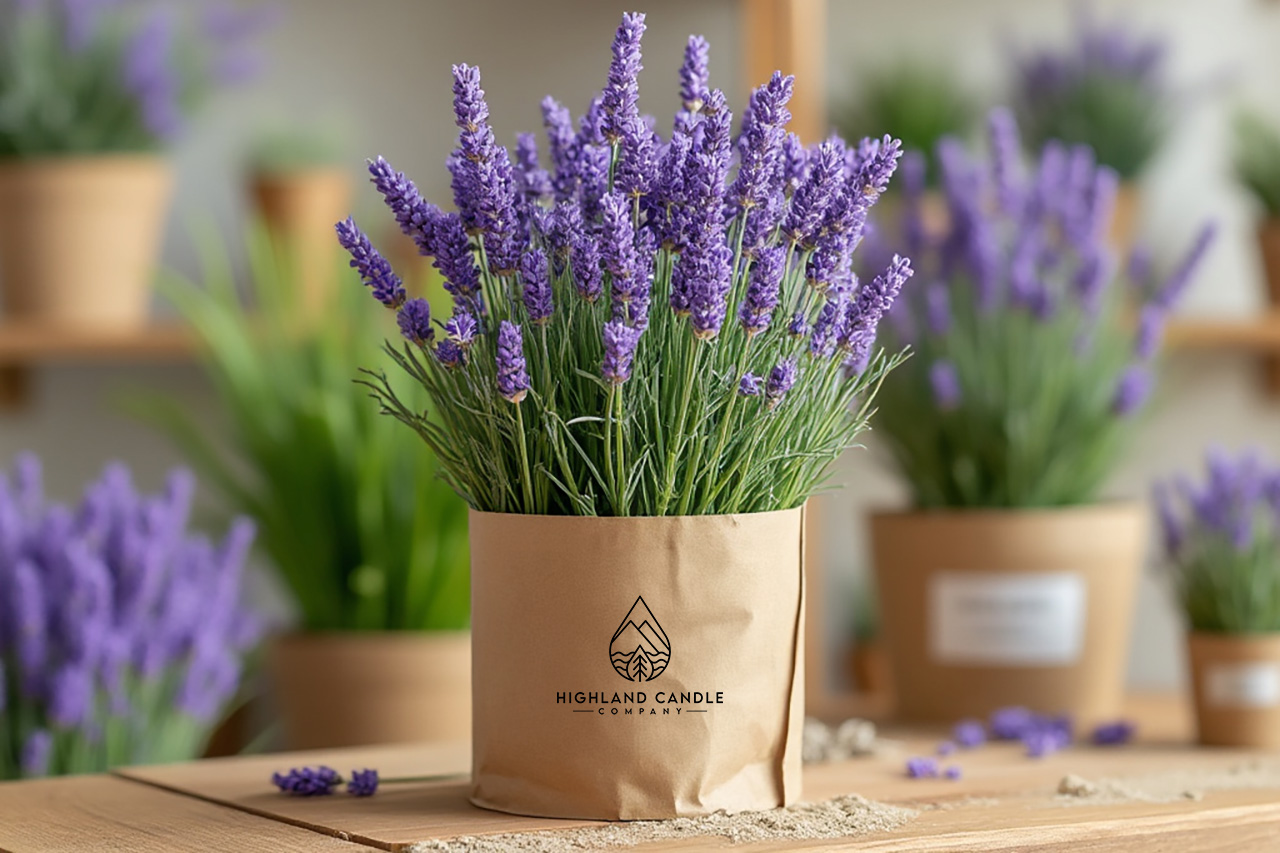
    Lavender has a fresh, floral and herbal scent with a gentle sweetness and, in some varieties, a slightly sharp, camphorous edge. It’s often associated with soaps, linen cupboards and relaxing fragrances, but the living plant smells greener and more aromatic than many people expect.

    Brush your hand against a lavender bush on a warm day and you’ll release a distinctive mixture of flowers, crushed leaves and herbs. It’s a fragrance that manages to be both floral and surprisingly savoury.

    What does lavender actually smell like?

    Lavender sits somewhere between a soft floral fragrance and a fresh aromatic herb. Its scent has several recognisable characteristics:

    • Floral sweetness: A delicate, slightly sweet flower fragrance, particularly noticeable in English lavender.
    • Fresh greenery: The herbal smell of crushed leaves and stems, giving lavender a natural, garden-like character.
    • Camphorous sharpness: A cool, penetrating quality found more strongly in some lavender species and hybrids.
    • Soft woody notes: A subtle, dry background that prevents the fragrance from being purely floral.

    The balance makes a considerable difference. Some lavender smells soft and almost sweet, while other varieties are sharper, greener and more medicinal.

    That explains why lavender growing in a garden can smell quite different from a lavender-scented candle or fabric conditioner.

    Why does lavender have its distinctive smell?

    Lavender belongs to the Lavandula genus, a group of aromatic plants in the mint family.

    Its flowers and leaves contain essential oils made up of numerous aromatic compounds. Two particularly important ones are linalool and linalyl acetate, which contribute to lavender’s familiar floral, sweet and fresh character.

    Other compounds, including camphor and 1,8-cineole, can contribute sharper, more medicinal notes.

    The proportions vary depending on the species, variety, growing conditions and how the oil is produced. That’s why different lavender oils don’t necessarily smell identical.

    Does English lavender smell different from lavandin?

    Yes, and the difference is noticeable when you compare their essential oils.

    English lavender

    English lavender, Lavandula angustifolia, is known for its relatively soft, sweet and floral fragrance.

    It still has the characteristic herbal freshness of lavender, but its scent is generally smoother and less sharply camphorous than lavandin.

    This is the familiar lavender aroma often associated with traditional perfumery and fragrant garden borders.

    Lavandin

    Lavandin, Lavandula × intermedia, is a hybrid of English lavender and spike lavender.

    It typically has a stronger, more penetrating herbal fragrance, with greater camphorous and medicinal qualities.

    Lavandin is widely cultivated for essential oil production and is commonly used in scented household products.

    It’s worth distinguishing lavandin from French lavender. In British gardening terminology, French lavender usually refers to Lavandula stoechas, a different species with its own aromatic character.

    Why does some lavender smell soapy or powdery?

    Lavender has appeared in soaps, perfumes, toiletries and laundry products for generations. That history has shaped what many people expect lavender to smell like.

    Some fragrance blends emphasise its soft, sweet floral notes, often combining them with musks or powdery ingredients.

    The result can resemble freshly washed linen, talcum powder or traditional soap rather than a lavender bush in full flower.

    Other compositions highlight lavender’s greener, more herbal qualities, producing a fragrance closer to the living plant.

    Neither interpretation is automatically inferior. They’re simply different ways of using lavender’s recognisable scent.

    Does lavender smell like rosemary or eucalyptus?

    Lavender shares some aromatic characteristics with other herbs, particularly rosemary and eucalyptus.

    Lavender combines floral sweetness with green, herbal freshness. Some varieties have a noticeable camphorous edge.

    Rosemary smells more savoury and herbal, with pine-like, woody and camphorous notes.

    Eucalyptus is generally sharper and more penetrating, with the distinctive fresh, medicinal character associated with eucalyptol.

    Lavender usually has the softest floral quality of the three, although strongly camphorous lavandin can smell considerably sharper than English lavender.

    For another herbal comparison, see our guide to what rosemary smells like.

    What does lavender smell like in candles?

    Lavender is a popular candle fragrance, but the finished scent depends on how it’s been composed.

    Some candles aim to recreate fresh lavender flowers, with green herbal notes and gentle floral sweetness. Others have a softer, more powdery character reminiscent of linen sprays or traditional soaps.

    Lavender also combines well with other fragrances:

    • Lavender and rosemary: A green, aromatic blend with a stronger herbal character.
    • Lavender and eucalyptus: Fresh, camphorous notes balanced by softer florals.
    • Lavender and vanilla: Floral freshness combined with creamy sweetness.
    • Lavender and cedarwood: Soft flowers supported by dry, woody notes.

    A lavender-scented candle may contain natural lavender essential oil, manufactured aromatic ingredients or a combination of both.

    Its fragrance strength and performance depend on the complete formulation, not simply on whether lavender is described as a top or middle note.

    Does lavender help you sleep?

    Lavender has a longstanding association with bedtime and relaxation, and researchers have investigated whether inhaling its aroma can influence sleep.

    Some studies suggest possible benefits, but results vary, and the evidence doesn’t establish that every lavender product will improve sleep.

    Many people simply find the fragrance pleasant as part of an evening routine.

    If you enjoy lavender candles, remember to extinguish them before going to bed. Never leave a candle burning while you sleep.

    Is lavender a pleasant fragrance for the home?

    If you like floral fragrances but find some of them too sweet, lavender offers an interesting alternative. Its herbal and woody qualities can make it feel fresher and less perfumed than a traditional flower fragrance.

    Those who dislike powdery lavender products may still enjoy a greener interpretation, particularly one that captures the scent of freshly crushed lavender leaves.

    And if you’ve only encountered lavender in soaps or candles, it’s worth smelling the living plant. The combination of soft flowers, fragrant leaves and slightly sharp herbs is what makes real lavender so distinctive.