
No products in the cart.
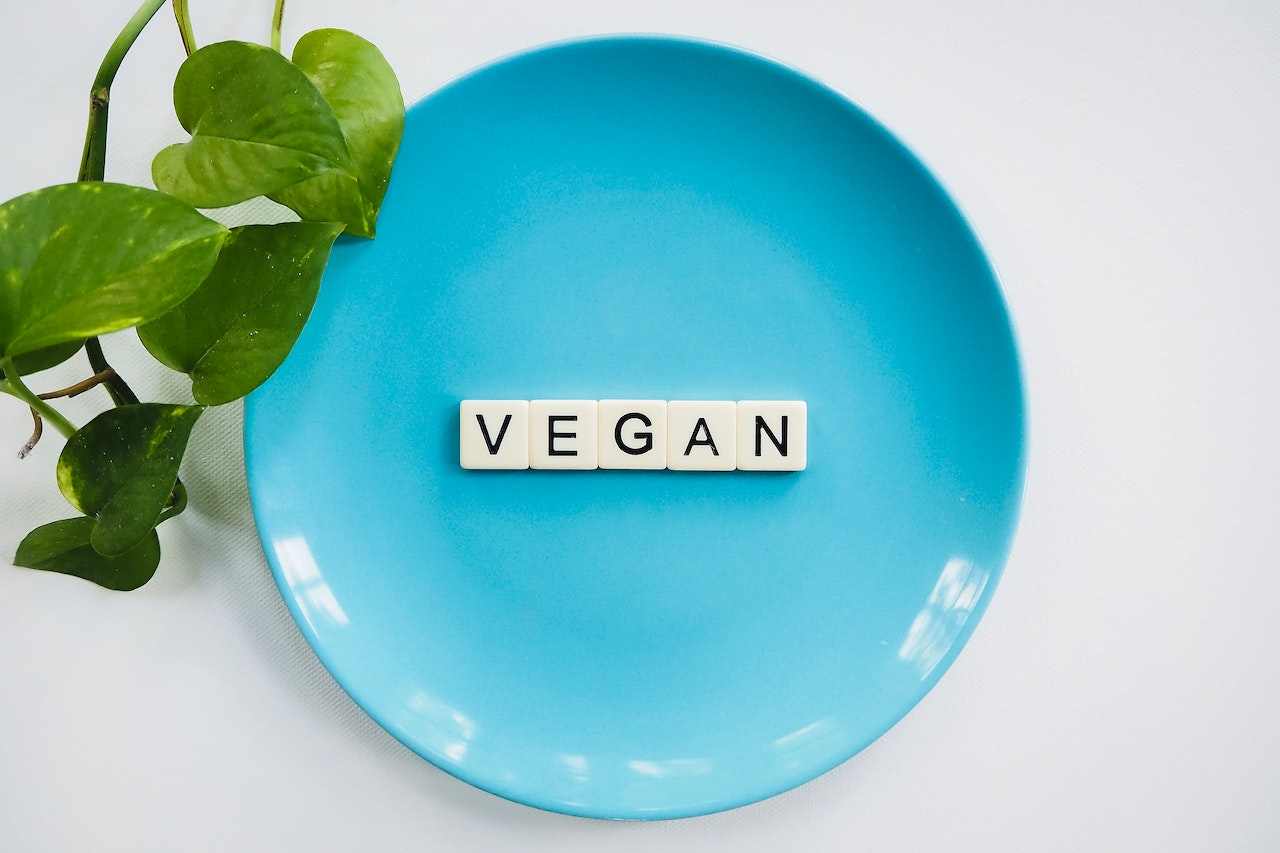
Choosing a vegan candle sounds straightforward enough. Find one made from plant-based wax, check the label and you’re sorted. But there’s a little more to it than that.
Although the wax is an obvious place to start, candles can also contain fragrance oils, colourants and other ingredients that aren’t always listed on the packaging. Some of these may come from animal sources, even when the main wax doesn’t.
The good news is that there are plenty of vegan-friendly candles available. Knowing what to look for makes choosing one considerably easier.
What makes a candle vegan?
A vegan candle is made without animal-derived ingredients or by-products. This applies to the complete candle, not just the wax.
Beeswax and tallow, for example, are animal-derived materials and aren’t considered vegan. Other ingredients can be less obvious, particularly when manufacturers use additives or fragrance blends with several components.
For many vegans, the way a product is developed and tested matters too. Recognised certification schemes, such as The Vegan Society’s Vegan Trademark, consider animal ingredients, animal testing and manufacturing practices.
Which candle waxes are vegan?
Several waxes commonly used in candle making can be suitable for vegans.
- Soy wax: Made from soybean oil and widely used in scented candles. Soy wax itself is plant-derived, although any additional ingredients still need checking.
- Coconut wax: Produced from coconut oil and often used in candle wax blends. Like soy, it’s plant-derived.
- Rapeseed wax: Another vegetable-based option, commonly found in candles made in Europe.
- Paraffin wax: Derived from petroleum rather than animals, so paraffin itself can be vegan. However, a finished paraffin candle may contain additional ingredients that aren’t.
It’s also worth checking whether a candle uses a blend of different waxes. A candle marketed as soy or coconut wax may contain other ingredients, and the name on the label doesn’t necessarily tell you everything about its formulation.
For a closer look at individual materials, see our articles about soy candle wax and coconut candle wax.
Are beeswax candles vegan?
No. Beeswax is produced by honeybees, making it an animal-derived ingredient.
It’s a popular candle-making material and has been used for centuries, but it isn’t suitable for people who choose to avoid animal products.
Another ingredient worth checking is stearic acid, sometimes used to change the hardness or burning properties of candle wax.
Stearic acid can be produced from vegetable oils or animal fats. Seeing it listed as an ingredient doesn’t automatically mean a candle isn’t vegan, but its origin needs to be confirmed.
Can fragrance oils contain animal ingredients?
Yes, although many modern fragrance oils are made entirely from synthetic or plant-derived ingredients.
Historically, some perfumes used animal-derived materials such as musk, ambergris and civet. Today, these scents are often recreated using synthetic aroma compounds, which can be suitable for vegan products.
A fragrance described as musky or amber-like isn’t necessarily animal-derived. Those words describe how something smells, not always what it’s made from.
If vegan suitability is important to you, look for confirmation from the candle maker or fragrance supplier rather than trying to judge from the fragrance name.
Are vegan candles better for the environment?
Not automatically. Vegan describes the absence of animal-derived ingredients and, under some standards, particular animal-testing and production requirements. It doesn’t tell you everything about a candle’s environmental impact.
Plant-based waxes come from renewable crops, but growing, processing and transporting those crops still use land, energy and other resources.
Paraffin, meanwhile, comes from fossil resources, even though the wax itself isn’t animal-derived.
Neither the word vegan nor natural guarantees that a candle burns more cleanly, lasts longer or produces less soot. Those characteristics depend on the finished candle and how it’s used.
How can you tell if a candle is genuinely vegan?
If you’re unsure about a particular candle, there are a few simple things you can check before buying.
- Look for recognised certification. The Vegan Society’s Vegan Trademark and other established certification schemes provide independent verification against their standards.
- Check the manufacturer’s information. Some candle makers clearly state whether their waxes, fragrances and additives are suitable for vegans.
- Ask about ingredients. If a candle contains stearic acid or an unidentified wax blend, the manufacturer may be able to clarify its origin.
- Don’t rely on the word natural. Beeswax is natural, but it isn’t vegan. Equally, a synthetic fragrance can be entirely suitable for vegans.
A candle doesn’t have to be independently certified to be vegan, but a clear explanation of its ingredients is more reassuring than vague claims about being natural or environmentally friendly.
Ultimately, choosing a vegan candle doesn’t have to be complicated. The important thing is knowing that the whole product meets your requirements, rather than assuming that one ingredient tells the full story.


About author

Related posts
Black glass is soot. Trim the wick, move it off the draught, wipe the jar. It is not the fragrance’s fault. Continue reading
Wet spots are air between wax and glass. They look like a fault. They are not. The candle will still burn. Continue reading

Candles do not expire like milk. They fade, they dust, they bloom. Most of them are still fine to burn. Continue reading
Cold throw is the lid sniff. Hot throw is the room. They are not the same, and soy is often quieter on the lid. Continue reading

Usually yes, better in the hold. Wrap them, lid on, and check the airline because staff can still say no. Continue reading