
No products in the cart.
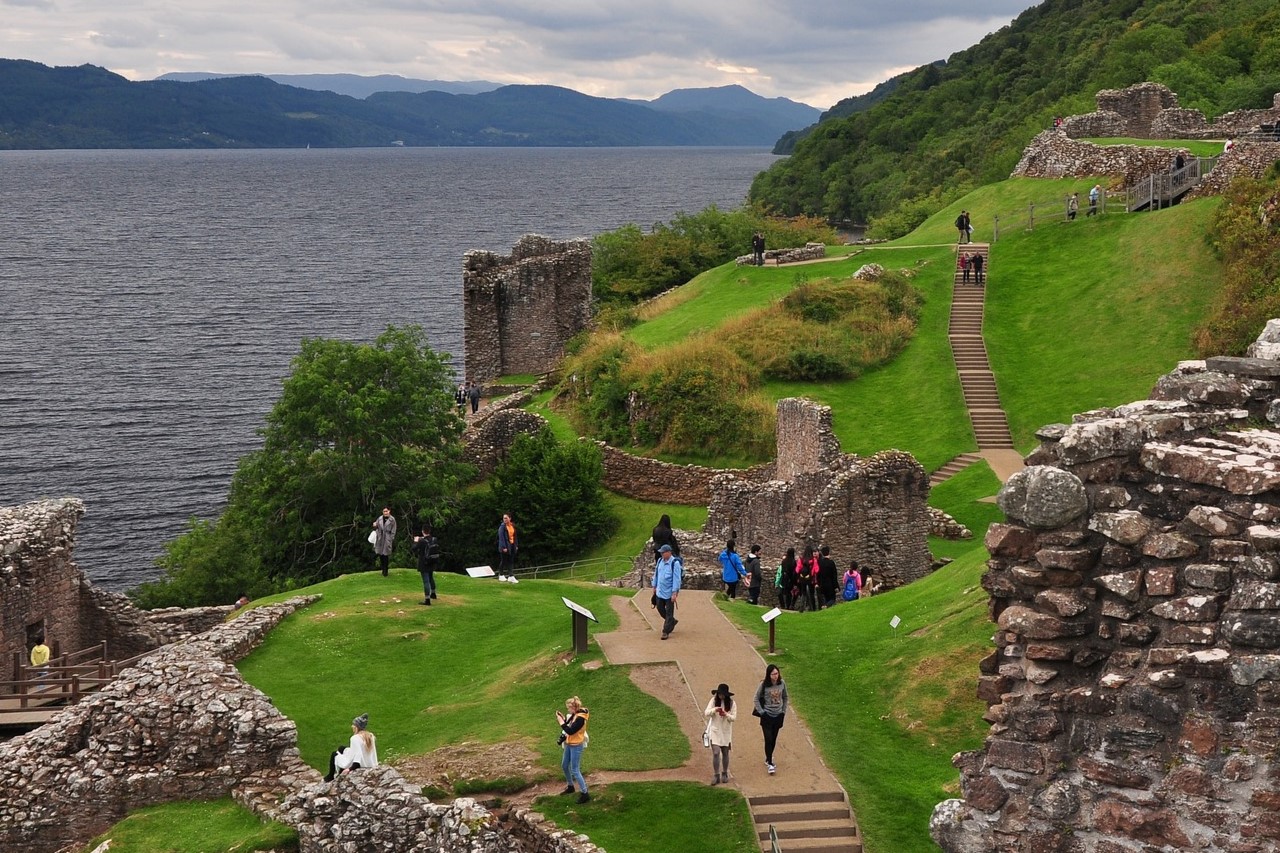
Few castles in Scotland have a setting quite like Urquhart. Standing on a rocky headland that stretches into Loch Ness, its ruined towers and walls overlook one of the country’s most famous stretches of water.
It’s a popular stop for anyone exploring Loch Ness, but there’s much more to Urquhart Castle than its rather spectacular views. For centuries, this was one of the most fought-over strongholds in the Highlands, and the ruins we see today are the result of a long and often violent history.
A castle with a turbulent past
The history of Urquhart stretches back more than a thousand years, although much of the surviving stonework dates from the medieval period.
During the Wars of Scottish Independence, the castle became a strategically important stronghold. Edward I of England captured it in 1296, and control subsequently passed between English and Scottish forces. Robert the Bruce took possession of Urquhart after becoming King of Scots in 1306.
The trouble didn’t end there. Throughout the following centuries, the Lords of the Isles repeatedly raided the castle and the surrounding glen. Urquhart changed hands several times as powerful families competed for control of the Highlands.
In 1509, James IV granted the estate to the Grant family, who were instructed to restore the castle. The Grants went on to construct the tower that still dominates the ruins today.
Why is Urquhart Castle in ruins?
Unlike some Scottish castles that gradually fell into disrepair, Urquhart was deliberately damaged.
During the first Jacobite rising, government troops occupied the castle to prevent it falling into Jacobite hands. When the garrison finally withdrew in 1692, the soldiers blew up the gatehouse to ensure the fortress couldn’t easily be used against them.
The castle was never restored as a working stronghold. Over time, more of the buildings deteriorated, and part of the Grant Tower collapsed during a storm in 1715.
By the nineteenth century, attitudes had changed. What had once been a military fortress was increasingly admired for its romantic ruins and remarkable position overlooking Loch Ness.
What can you see at Urquhart Castle?
There’s plenty to explore among the surviving walls, towers and foundations.
One of the highlights is the Grant Tower, which offers wonderful views along Loch Ness. From its upper levels, you can appreciate just how well positioned the castle was, with long stretches of water visible in both directions.
Elsewhere, you can explore the remains of the Great Hall, the gatehouse and other parts of the medieval fortress. A full-sized replica trebuchet gives an idea of the formidable weapons once used in castle warfare.
There’s also a modern visitor centre, with exhibitions, a café and a shop. It’s worth allowing enough time to explore the ruins rather than treating the castle as a quick photograph stop.
Visiting Urquhart Castle
Urquhart Castle is on the western shore of Loch Ness, just off the A82, approximately two miles from the village of Drumnadrochit.
The site is managed by Historic Environment Scotland and is open throughout much of the year, although opening hours vary with the seasons and occasional closures can occur.
Booking tickets in advance is strongly recommended, particularly during the busy summer months. Parking is limited, and visitors travelling by car should arrange parking through the official booking process.
Some parts of the castle involve steep paths and steps, particularly the climb into the Grant Tower. If accessibility is a consideration, it’s worth reviewing the visitor information before setting off.
You’ll find current opening times, admission details and parking arrangements on the official Urquhart Castle website.
Is Urquhart Castle worth visiting?
Absolutely, particularly if you’re interested in Scottish history or already travelling along Loch Ness.
The castle’s position is impressive in almost any weather. On a clear day, you can see a considerable distance along the loch. When the clouds settle over the surrounding hills, the ruins take on a rather different character.
It’s also a good place to appreciate the scale of Loch Ness. From the water’s edge, the loch stretches away between steep, wooded hills, and it’s easy to understand why this narrow headland once held such strategic importance.
If you have more time in the area, our guide to Loch Ness explores the loch and its surroundings in greater detail.
Urquhart may be a ruin today, but there’s still enough standing to give a sense of the fortress it once was. And with Loch Ness stretching out behind those ancient walls, it’s a place that deserves more than a passing glance.

About author

Related posts
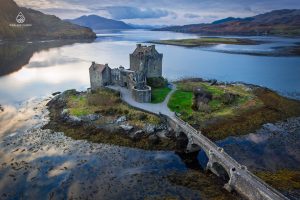
Eilean Donan is a rebuilt castle on a tidal island at Dornie, where three lochs meet. Famous, photogenic, still worth the stop if you pick... Continue reading

Cairn Gorm is the named summit above Aviemore. The plateau is the real mountain. The car park is only the start. Continue reading

Skye is not named after the sky. The old names point at Norse and Gaelic. The English spelling is the latecomer. Continue reading

The creel tree is Ullapool’s Christmas: stacked fishing pots on the waterfront, lights, and not a plastic fir in sight. Continue reading
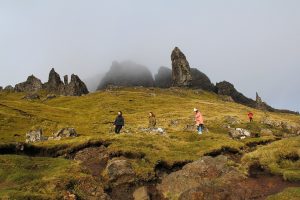
The Storr is the rock pillar on Skye’s Trotternish ridge. Steep, popular, worth it in the first hour of the day. Continue reading